CALL US TODAY

331-253-2426

Uncategorized

sports injury doctor

What a Sports Injury Doctor Should Really Do for You

When you think of a sports injury doctor, you might picture someone who tells you to rest, ice, and wait. But real recovery takes more than rest. It’s about understanding how your body moves, heals, and performs under pressure.
You deserve more than a quick fix or a prescription for time off. You deserve a plan that rebuilds your strength, restores your confidence, and gets you back to doing what you love.
A true recovery process means:
• Pinpointing the root cause of your pain, not just masking symptoms.
• Restoring mobility and strength through targeted, science-based movement.
• Building long-term resilience so the same injury doesn’t return.
At RecoverRx Physical Therapy, we don’t just treat pain—we teach your body how to perform better than before. Because when you understand how your body works, healing stops being a mystery and starts becoming your new strength.


What a Sports Injury Doctor Should Really Do for You Read More »

can shockwave therapy cause damage

Can Shockwave Therapy Cause Damage? Discover How It Supports Healing

When pain lingers, it’s natural to worry about whether a treatment might do more harm than good. You may wonder if Shockwave Therapy can cause damage to your body with its strong sound waves.
The truth is, this therapy is designed to help your tissues heal, not break them down. It stimulates blood flow, breaks up scar tissue, and reduces inflammation in a safe and controlled way.
Think about it like this: instead of masking pain, Shockwave Therapy helps your body restart its own repair process. That’s why people often feel relief in weeks instead of months.
What makes it safe and effective is the way it works with your body, not against it. If you’ve been stuck with pain that won’t move on, this therapy could give you a real path forward.

Can Shockwave Therapy Cause Damage? Discover How It Supports Healing Read More »

how long does it take for a pulled muscle to heal in your back

How Long Does It Take For A Pulled Muscle To Heal In Your Back?

When you pull a muscle in your back, the first thing you want to know is how long recovery will take. A pulled muscle can feel like a sharp, stabbing pain or a deep ache that makes even simple movements difficult. The healing time depends on the severity of the strain, your activity level, and how you care for the injury. Some strains may ease within a couple of weeks, while more severe ones can take longer. You might notice: Sudden tightness or spasm when moving Swelling or bruising around the area Limited range of motion that makes normal activities tough Understanding how long it takes for a pulled muscle to heal in your back gives you the clarity to set realistic expectations. It also helps you know when to rest, when to move, and when to seek extra support if healing feels slow.

How Long Does It Take For A Pulled Muscle To Heal In Your Back? Read More »

tennis elbow brace

Why Your Tennis Elbow Brace Isn’t Helping

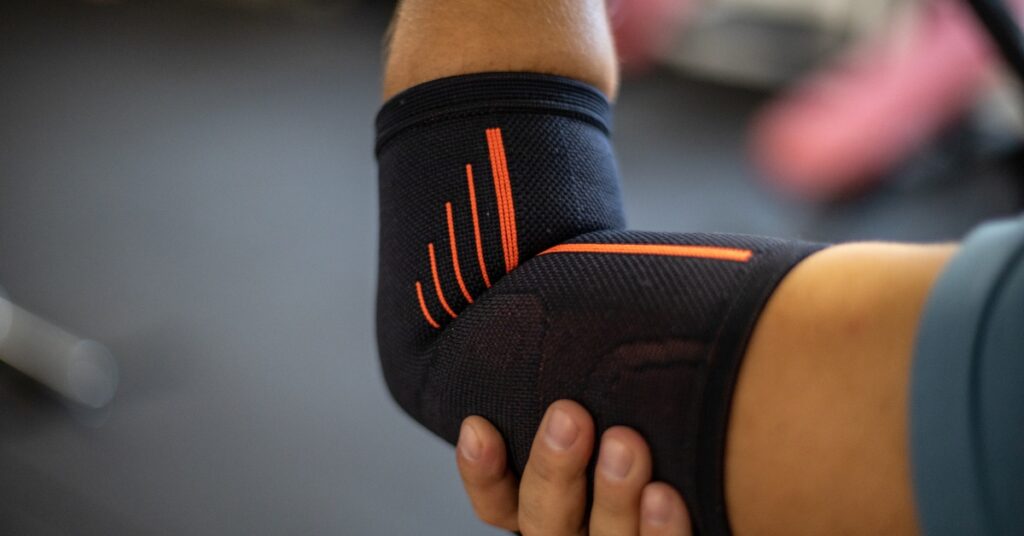
You strap on the tennis elbow brace, hoping it will calm the ache. At first, maybe it does. But days or weeks later, the pain creeps back, sometimes worse than before.
That’s because the brace doesn’t fix what’s actually wrong. It might mask symptoms, but it won’t restore tendon health or change how your body moves under stress.
If your pain flares up during gripping, lifting, or any repetitive arm motion, you’re dealing with more than inflammation. You’ve likely developed faulty movement patterns, reduced load tolerance, or tissue irritation that a simple strap can’t address.
Instead of relying on a brace, you need:
A real diagnosis to find the source of tissue overload
Targeted manual therapy to reduce irritation and improve mobility
Strength training to rebuild tendon capacity
Motor control work to reprogram how you move under load
Tennis elbow isn’t a brace problem. It’s a movement problem. And that’s where sports physical therapy becomes the long-term solution you’ve been looking for.

Why Your Tennis Elbow Brace Isn’t Helping Read More »

shoulder internal rotation

Shoulder Internal Rotation: The Key to Pain-Free Movement

If reaching behind your back feels stiff or painful, you’re not the only one. That tight, stuck feeling can sneak up on you and make everyday tasks way harder than they should be. Shoulder internal rotation plays a big role in your daily movement. You rely on it to do simple things like putting on a jacket, buckling your seatbelt, or scratching your back.
When your shoulder doesn’t rotate properly, you start compensating. That can lead to discomfort in your neck, upper back, or even your opposite shoulder.
Some of the most common causes of poor shoulder internal rotation include:
Tight or shortened muscles around the back of the shoulder
Limited joint mobility
Old injuries that haven’t healed properly
Sitting for long periods with rounded shoulders
You don’t have to live with it. With the right stretches, strengthening, and hands-on care, you can restore your shoulder’s full range and move more freely again.

Shoulder Internal Rotation: The Key to Pain-Free Movement Read More »

Pain on the Inside of Your Knee When Bending and Straightening

Healing Pain on the Inside of Your Knee When Bending and Straightening

That sharp or nagging pain on the inside of your knee every time you bend or straighten your leg? It’s frustrating, uncomfortable, and honestly a little scary. You might be wondering what caused it, how serious it is, or whether you’re making it worse without even realizing it.
As physical therapists, we see this type of pain all the time. Whether it’s from a recent injury or something that’s been slowly building, medial knee pain can show up from several sources, and each one needs a different approach.
You don’t have to live with that discomfort or let it limit what you love doing. Let’s explore:
What might be happening inside your knee
Why the pain shows up during movement
What steps can help you heal and stay active

Healing Pain on the Inside of Your Knee When Bending and Straightening Read More »

Whey protein, whey protein isolate, whey protein isolate, whey protein isolate, whey protein isolate, .

Proven Supplements to Accelerate Healing and Pain Relief

Introduction Physical therapy is a crucial part of recovery for many individuals, whether they’re athletes recovering from a high-intensity workout or patients in rehabilitation from an injury or surgery. One aspect that can significantly enhance this recovery process is the use of dietary supplements. In this blog, we’ll explore how supplements can aid in faster

Proven Supplements to Accelerate Healing and Pain Relief Read More »

runner's knee

How to Prevent Runner’s Knee: Effective Strategies and Exercises

Introduction Running is a fantastic way to stay active and healthy, but for many, the discomfort of runner’s knee can be daunting. However, with the right strategies and exercises, you can learn how to prevent runner’s knee and enjoy the benefits of running without succumbing to this common ailment. In this guide, we’ll explore what

How to Prevent Runner’s Knee: Effective Strategies and Exercises Read More »

A woman jogging on the beach.

How To Stop Plantar Fasciitis for Good: A Guide to Performance Physical Therapy for Athletes and Runners In 2023

Introduction Do you ever wake up from a great dream, only to have the nightmare of shooting heel pain as soon as you put your foot on the ground? If so, you are probably familiar with plantar fasciitis. Plantar fasciitis is a common foot condition that causes significant pain and discomfort. In this blog, we

How To Stop Plantar Fasciitis for Good: A Guide to Performance Physical Therapy for Athletes and Runners In 2023 Read More »