You feel that sharp grab in the back of your thigh, you pull up, and now you are searching for “pulled hamstring recovery time” to figure out how long you are out. Every missed run, workout, or game can feel like lost progress that you worked hard to build.
As a sports physical therapist, this shows up all the time with runners, field and court athletes, and active adults who like to push hard. A pulled hamstring is common, but your recovery is not one size fits all.
The timeline depends on how much the muscle is actually injured, how quickly you start the right kind of movement, and what your sport or training really demands. Rest alone rarely gives you a strong, confident hamstring that can handle sprinting, cutting, or lifting without constant fear of another tweak.
In this blog, you learn what actually affects your recovery time, what realistic timelines look like for different strain levels, and which choices help you get back to full speed. You also see how a structured, sports focused rehab plan can turn a frustrating setback into a chance to come back stronger and more resilient.
How Long Does A Pulled Hamstring Really Take To Heal
When you think about pulled hamstring recovery time, you probably focus on how long it takes for the pain to disappear. In sports rehab, recovery means much more than pain relief.
True recovery involves several key pieces:
- The muscle tissue heals well and can handle load.
- Strength returns in a balanced way between right and left legs.
- You can sprint, cut, jump, or lift without guarding, fear, or hesitation.
Pain often calms down faster than the tissue fully heals. If you push too hard too soon, a simple strain can turn into a nagging issue that returns every season.
To make sense of recovery timelines, it helps to understand the grade of the strain. Most hamstring pulls fall into three categories that describe how many fibers are involved and how much function you lose.
What “Pulled Hamstring Recovery Time” Actually Means
Pulled hamstring recovery time is not just a countdown on a calendar. It is the period it takes to regain tissue health, strength, and confidence for your specific activity.
A muscle can feel less painful but still lack strength at longer lengths or higher speeds. That gap between how the hamstring feels and what it can handle is where many re injuries happen.
Sports rehabilitation looks at:
- Pain levels in daily activity and in sport.
- Strength through different ranges of motion.
- How you move when you run, cut, jump, or lift.
Recovery time also depends on the quality of the rehab process. A plan that restores strength, coordination, and control gives you a much better long term result than rest and stretching alone.
Typical Recovery Timelines By Injury Grade

When a hamstring strain walks into the clinic, several things are assessed. Bruising, strength, range of motion, gait, and how you describe the moment of injury all help estimate the grade of the strain.
These timelines are general guidelines, not rigid rules. They give you a realistic framework so you can plan and avoid false expectations.
Grade I Mild Strain
A Grade I strain usually feels like a sharp twinge or tight grab during a sprint, lunge, or quick change of direction. You can often walk fairly normally, but fast running or deeper bending feels risky or painful.
Typical recovery time for a Grade I strain often looks like:
- Light activity with modifications for 3 to 7 days.
- Jogging and controlled strength work around 1 to 2 weeks.
- Faster running and sport specific drills at 2 to 3 weeks, sometimes a bit longer depending on your sport.
With a Grade I strain, return can happen relatively quickly if you load the area smart and stay consistent. Ignoring it and continuing to push hard can easily turn a mild problem into a more serious strain.
Grade II Moderate Tear
A Grade II strain involves more muscle fibers and more strength loss. You may feel a distinct pull or even a small pop, see bruising within a day or two, and notice real trouble with fast walking, stairs, or bending forward.
Typical recovery time for a Grade II strain often includes:
- Pain reduction and gentle strength work for 2 to 4 weeks.
- Jogging and progressive loading between 4 to 6 weeks.
- Return to full speed sport, cutting, or heavy lifting around 6 to 8 weeks, sometimes longer for high demand athletes.
A Grade II strain benefits from a structured plan that respects healing time and builds strength at longer muscle lengths. Returning to play just because it feels better is a major reason for repeated strains in the same spot.
Grade III Severe Tear Or Rupture
A Grade III strain is a major injury that involves a large portion of the muscle or tendon. You may feel a strong pop, lose power immediately, see a large bruise, and have trouble putting weight on the leg.
With a suspected Grade III strain, you need a medical evaluation and often imaging. A surgical consult may be appropriate, especially for athletes or when the tendon pulls away from the bone.
Recovery time for a Grade III strain is much longer and depends on the exact injury and whether surgery is needed. Even in these cases, careful rehab can still help you return to meaningful activity and, in many situations, back to sport.
Factors That Speed Up Or Slow Down Pulled Hamstring Recovery
Two people can have similar strains but very different recovery experiences. Your body, training history, lifestyle, and even your personality can influence how long healing takes.
Understanding these factors lets you control as many variables as possible so your recovery can progress efficiently and safely.
Age And Training History
Younger athletes often bounce back faster when they follow a solid plan and respect the process. Adults with a strong training base, especially those who lift consistently, also tend to handle rehab better.
If you have been inactive or have long gaps between training blocks, the hamstring may need more time to build basic strength. Patience combined with consistent work usually pays off.
Previous Injuries
A history of hamstring strains, low back pain, or hip issues can slow progress. Old scar tissue, muscle imbalances, or protective movement habits often need attention.
If the same hamstring bothers you season after season, that is a sign of an underlying problem. It can be a strength imbalance, limited mobility, or how your pelvis and trunk move when you run or lift.
Strength And Mobility Balance
The hamstring rarely gets injured in isolation. Weak glutes or core muscles can force the hamstring to work harder with every stride, jump, or lift.
Stiff hip flexors, limited ankle mobility, or pelvic positioning can change how forces travel through the leg. When these pieces are not balanced, the hamstring often ends up doing too much.
Sport Demands
Not all sports stress the hamstring in the same way. Sprinters, soccer players, basketball athletes, and tennis players demand a lot from this muscle group at high speeds and long lengths.
Recreational joggers or general lifters may tolerate earlier return at lower speeds and simpler movements. The higher your sport demands, the more thorough your rehab needs to be.
Recovery Habits And Stress
Sleep, nutrition, hydration, and stress management play a real role in tissue healing. High stress, low sleep, and poor fueling can drag out recovery even for a mild strain.
Taking care of basic recovery habits may not feel exciting, but it directly supports your body as it repairs tissue and adapts to strength training. Small, consistent changes can make a noticeable difference.
Quality Of Rehab
The quality of your rehab plan matters. A clear, progressive program with specific exercises almost always beats vague advice to rest and stretch.
Random internet routines or generic handouts from a busy clinic often miss important pieces like eccentric strength, control at long muscle lengths, and movement patterns in your actual sport. A thoughtful plan saves time in the long run and builds confidence.
When You Should See A Professional Instead Of Just Resting
Some hamstring strains respond fairly well to basic self care in the first week. Others really need a trained eye early on to prevent a long, frustrating cycle of re injury.
Knowing when to seek help can protect your season, your training plan, and your long term health.
Signs You Need A Professional Assessment
You should reach out to a sports physical therapist or medical professional if you notice:
- A loud or sharp pop at the time of injury.
- Major pain that makes weight bearing or walking very hard.
- Significant bruising in the back of the thigh or near the buttock.
- A visible dent or gap in the muscle.
- No improvement after 7 to 10 days of modified activity.
- The same hamstring keeps flaring up again and again.
In a clinic setting, a sports PT looks beyond the hamstring. Pelvis position, core strength, hip motion, foot mechanics, and overall movement patterns all provide clues, especially in people with chronic tightness, hypermobility, or long standing pain.
If you catch a problem early, it is often possible to shorten the total recovery time by loading the tissue correctly from the start. Waiting until you are really stuck usually means more time is needed to unwind compensations and rebuild confidence.
What A Smart Pulled Hamstring Rehab Plan Looks Like
A pulled hamstring needs more than rest. A smart plan guides you through phases, from protecting the tissue at first to building sport ready power and confidence.
Each phase has clear goals and focuses on what your body can handle at that specific time. Progress happens step by step rather than all at once.
Phase 1: Calm Pain And Protect The Hamstring
Phase 1 starts right after the injury and usually lasts a few days up to 1 or 2 weeks, depending on severity. The goal is not total rest, but smart protection that keeps you moving safely.
In this phase, focus on:
- Reducing pain and swelling.
- Keeping gentle motion in the hip and knee.
- Staying active in ways that do not provoke the strain.
Helpful early strategies include:
- Relative rest instead of complete rest, choosing movements that feel safe.
- Short walks, light cycling, or upper body training as tolerated.
- Avoiding long static stretching of the hamstring, especially into sharp pain.
- Performing gentle range of motion exercises, such as heel slides or easy knee bends.
Early strength often uses isometric work where the muscle engages without changing length. Examples include hamstring presses into the floor or a stability ball, and gentle bridges with hips lifted only partway.
Phase 1 is all about control and reassurance. You show your nervous system that it is safe to move and you set the foundation to load more later.
Phase 2: Restore Mobility And Start Real Strength
Once walking feels more normal, hip and knee motion improve, and light loading is tolerated, you can move into Phase 2. This phase usually runs from about week 1 or 2 into week 3 or 4 for many Grade I and Grade II strains.
The goals in Phase 2 include:
- Restoring comfortable motion through the hip and knee.
- Building baseline strength in the hamstrings, glutes, and core.
- Reducing fear of movement and rebuilding trust in the leg.
Common additions in this phase include:
- Dynamic warm ups such as small range leg swings, marching, and hip circles.
- More active hamstring work, for example:
- Bridges with a longer lever arm.
- Hip hinges with light weight or just body weight.
- Hamstring curls with a band in a pain free range.
Stretching becomes more important here, but timing and intensity matter. Short, gentle holds that create mild tension, not sharp pain, work best along with movement based stretching like controlled toe reaches and unweighted good morning patterns.
If you are hypermobile, the emphasis often shifts from extra stretching to stronger control. Your body likely already moves far, so it needs stability and strength more than extreme range.
Phase 3: Build Strength And Power That Holds Up Under Stress

Phase 3 is where the hamstring earns long term durability. It often overlaps with Phase 2 and can continue for weeks after you first return to sport or regular training.
Key goals in Phase 3 include:
- Building strength through the full functional range of motion.
- Training the hamstring eccentrically, where it controls lengthening.
- Improving power and coordination for the demands of your specific sport.
Effective exercises in this stage often include:
- Romanian deadlift variations with dumbbells or a bar.
- Single leg Romanian deadlifts to address balance and side to side symmetry.
- Nordic hamstring curls or modified versions using a bench or partner support.
- Hamstring sliders using a towel or sliders on a smooth floor.
Additional glute and core strength also support the hamstrings. Strong choices include hip thrusts or heavy bridges, split squats or lunges, and core drills like Pallof presses or plank variations that train stability.
In Phase 3, soreness is monitored closely. Mild, short lived muscle soreness after strength work is normal, but sharp pain in the exact injured area signals that progression needs to slow or adjust.
Phase 4: Return To Running And Sport
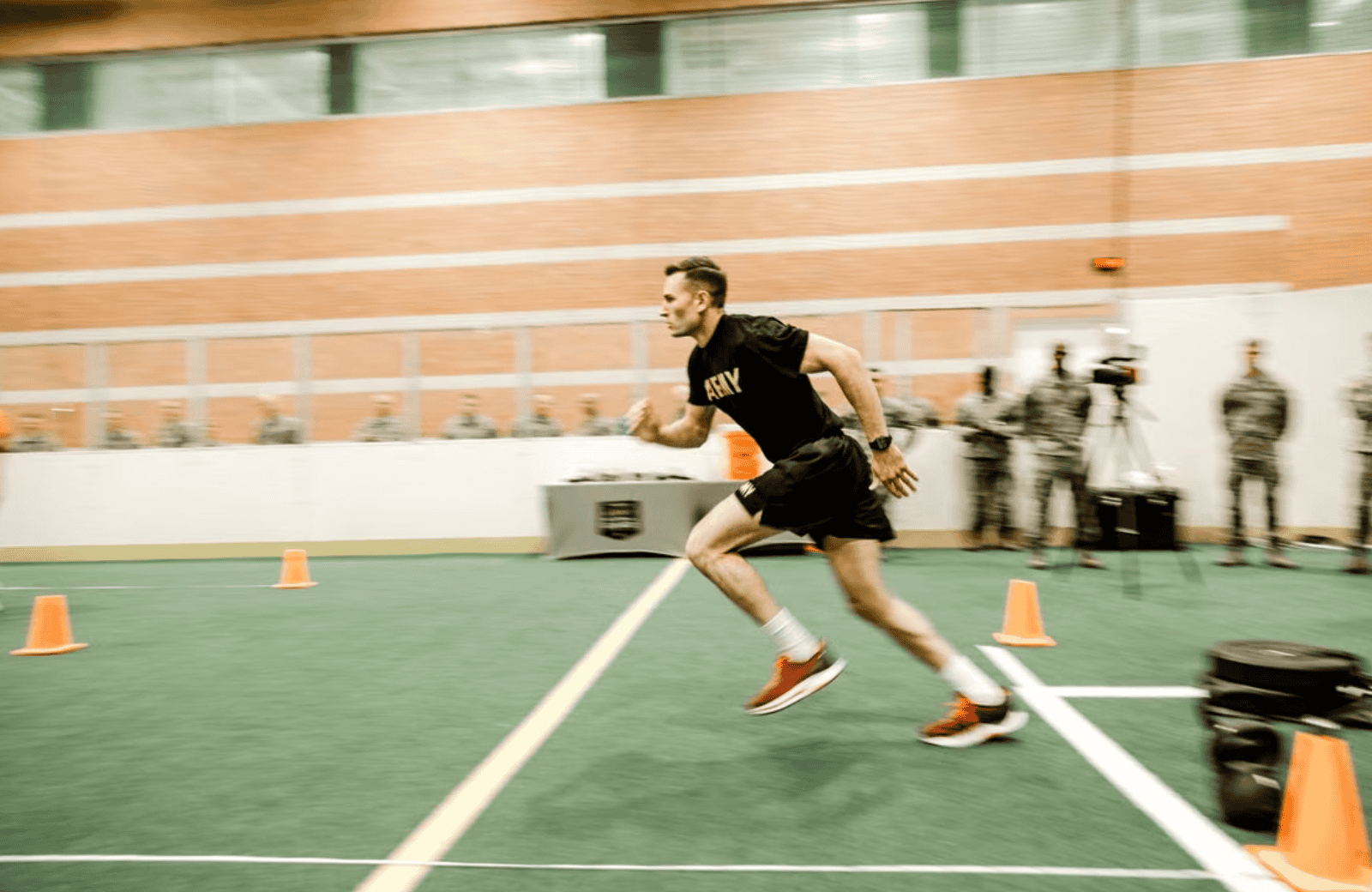
Many setbacks happen in this phase because progress jumps instead of steps. You earn return to sport by meeting clear checkpoints, not just waiting a certain number of days after injury.
Before full speed sport, it is helpful to see that you can:
- Walk without a limp or protective pattern.
- Perform basic strength moves such as bridges, Romanian deadlifts, squats, and lunges without pain.
- Tolerate hopping or small jumps with decent control.
A simple return progression might include:
- Walk jog intervals on flat ground.
- Gradual build of total jogging time before any speed work.
- Short strides or accelerations added once easy running feels solid and pain free.
For field and court sports, progression typically moves from straight ahead jogging to faster runs, then to gentle cuts at lower speeds, and finally to sharper cuts, pivots, and full speed game like drills.
Throughout this stage, it helps to track:
- Pain during and after sessions.
- Tightness or stiffness the next morning.
- Symmetry between right and left legs in drills and strength work.
If the hamstring feels tight but strong, you are usually in a good training zone. Sharp pain or a sudden grab means you should scale back, adjust the plan, and let the tissue settle before advancing again.
Common Mistakes That Extend Pulled Hamstring Recovery Time
Most long and frustrating hamstring recoveries come from a few predictable mistakes. When you know them, you can avoid them and protect your training time and confidence.
Mistake 1: Resting Completely For Weeks
Total rest might feel safe at first, but your body loses strength and coordination quickly. When you finally move again, the hamstring often feels weaker, tighter, and more vulnerable.
A better approach is planned, pain aware movement from early on. With relative rest, you reduce stressful activities while keeping some cardio, some strength, and much of daily life in motion.
Mistake 2: Relying Only On Stretching And Foam Rolling
Stretching and foam rolling can feel good in the moment, but they do not build strength. If the hamstring only gets stretched and rolled, it learns to feel looser without gaining the capacity to handle real stress.
Hamstrings need load to adapt. They must learn to produce and control force at different lengths and speeds to handle sprinting, cutting, and lifting.
Mistake 3: Ignoring The Hips, Pelvis, And Core
The hamstring does not work alone. Weak glutes, poor core control, or a pelvis that continually tips forward can push extra strain onto the back of the thigh.
For many runners and field athletes, addressing how the pelvis and trunk move is the missing key to breaking the cycle of repeated strains. This is especially true if you also deal with low back or hip issues.
Mistake 4: Jumping Straight Back To Full Speed Or Full Games
Pain fades, energy returns, and it is tempting to jump right back into a full match, heavy lifting day, or high intensity workout. That first full effort often becomes the moment another pull happens.
A safe return uses a ramp, not a cliff. Gradual increases in distance, speed, and intensity give your hamstring time to adapt and build resilience.
Mistake 5: Stopping Rehab Once It Feels “Good Enough”
Once pain fades and daily tasks feel normal, it is easy to stop strength work and drift back into old patterns. The problem is that healing tissue is still maturing and needs continued load to become truly durable.
If you carry rehab through all the phases, you build a hamstring that not only feels better but stays strong across training cycles, seasons, and the demands of daily life.
Getting Back To Confident Movement After A Pulled Hamstring
A pulled hamstring does not have to control your season, your training, or your confidence. With a smart plan, you can often shorten your pulled hamstring recovery time and lower the chance of facing the same injury again.
Sports physical therapy focuses on how you move, not just where it hurts. You learn exactly how to load the hamstring, build strength through range, and return to running or sport with clear, simple progressions instead of guesswork.
Support For Active Adults And Athletes In The Chicago Western Suburbs
If you live or train in Oakbrook Terrace, Westmont, Naperville, or the surrounding suburbs, you have options beyond generic, high volume rehab. At RecoverRx Physical Therapy, you can work one on one with a sports physical therapist who understands running, lifting, court sports, and busy adult schedules.
Care is built around your goals so you can stay as active as possible during rehab and build real, sport ready strength, not just pass a basic movement test. The aim is for you to return to workouts, leagues, and races feeling prepared, not fragile.
Whether you are a competitive athlete, a weekend warrior, postpartum and rebuilding, or someone with chronic tight hamstrings, you deserve personalized care that fits your situation. Your concerns are heard and your plan is tailored to you, not copied from a template.
Ready To Stop Guessing Your Pulled Hamstring Recovery Time
If you feel stuck between resting and re injuring, you do not have to figure this out alone. Talking directly with a sports PT can give you clarity on what your hamstring needs next and what a safe path forward looks like.
RecoverRx Physical Therapy offers a free 15 minute discovery call so you can share your story, ask questions, and see if this approach matches your goals. To schedule, call 331 253 2426 and take a simple, concrete step toward stronger, more confident movement instead of another setback.