You can crush a workout, carry kids, and handle a packed schedule, yet one hard sneeze or jump can still make you nervous. If you feel strong and athletic but worry about leaks during runs or lifting, pelvic floor physical therapy for active moms is exactly what you need to know about.
You are not broken, and this is not just what happens after kids. Your body is adaptable, and with the right information and intentional work, you can move, lift, and run without planning your day around bathrooms or extra leggings.
This blog walks through what is really going on with your pelvic floor, why standard advice like just do Kegels often falls flat, and how a performance focused approach can support the life you actually live. Think of this as a clear, no drama guide that helps you understand your body, protect your long term health, and feel confident in every workout and every season of motherhood.
Understanding Your Pelvic Floor As An Athlete And A Mom
What The Pelvic Floor Actually Does Beyond Childbirth
Your pelvic floor is a group of muscles, not a vague area that only matters during birth. These muscles sit like a supportive hammock at the base of your pelvis and work every single time you move.
They help you:
- Keep urine and stool in when you want, and let go when you choose
- Support your bladder, uterus, and rectum against gravity and impact
- Stabilize your pelvis, hips, and spine so you can lift, run, and twist with control
- Coordinate with your core and diaphragm so you can breathe, brace, and move powerfully
Think of your pelvic floor as part of your performance system. It connects with your:
- Diaphragm, which controls breath and pressure
- Deep abs, which help create tension and stability
- Back muscles, which support posture and power
- Hips and glutes, which drive strength and speed
When all of these pieces work together, you feel stable and strong. When one part struggles, you may notice leaks, heaviness, or pain during the activities you love.
Common Pelvic Floor Problems Active Moms Face
If you train hard, stay active with your kids, or return to sport after pregnancy, you ask a lot from your body. The pelvic floor often tries to keep up quietly until it cannot.
You might notice:
- Leaking when you cough, sneeze, laugh, jump, or run
- Sudden strong urges to pee and trouble making it in time
- Feeling like you need the bathroom just in case before every workout
- Pelvic heaviness or pressure, especially at the end of the day or after impact workouts
- Pain with running, lifting, core work, or intimacy
These issues can show up right after birth, months later, or even years down the road. You may feel fine at rest, then notice symptoms only when you push your pace, load the bar, or chase your kids around.
None of this means you need to stop being active. It means your pelvic floor and the rest of your system need better support and training, just like any other muscle group.
Myths That Keep Active Moms Stuck
You hear a lot of noise about pelvic floor problems, and much of it is discouraging or flat out wrong. Those messages can keep you silent or make you feel like a lost cause.
Common myths include:
- Leaking after kids is normal, so you just have to live with it
- If you leak, you should stop running or jumping forever
- More Kegels fix everything
- If your doctor says you are fine, pain or leaks are in your head
Here is the truth.
- Leaks are common, but not something you must accept as your new normal
- Many moms safely return to running, lifting, and high impact sports with the right plan
- Constant Kegels can even make some symptoms worse if muscles stay too tight
- Your symptoms are real and valid, even if basic tests look normal
When you understand what is really happening in your body, you can change it. Knowledge does not just reduce fear, it gives you a roadmap back to feeling in control.
How Pelvic Floor Physical Therapy Helps You Move, Lift, And Run With Confidence
What Actually Happens In A Pelvic Floor PT Session
If you picture a cold room, a rushed visit, or a generic handout, that is not what modern pelvic floor physical therapy looks like. A good session feels like a deep dive into how your body moves, not just how your pelvic floor contracts.
A typical evaluation often includes:
- A detailed conversation about your training, birth history, symptoms, and goals
- A movement assessment that looks at your hips, core, back, and how you squat, bend, or run
- Breathing and posture assessment to see how you manage pressure when you lift or land
- With your consent, an internal or external pelvic floor exam to check strength, tension, and coordination
The internal part is always your choice. You stay in control of what happens, and everything is explained in clear, non scary language.
From there, your plan focuses on what you want to do in real life. That might be running a 5K without leaks, hitting heavy squats, or just picking up your kids without fear.
Beyond Kegels: A Whole Body, Performance Based Approach
Kegels are just one small tool, and they do not fit every body or every problem. Many active moms already have a pelvic floor that works too hard and never fully relaxes.
A performance based approach looks at how your whole system handles load. It often focuses on:
- Breath coordination so you do not push pressure straight down into your pelvic floor
- Core engagement that feels solid but not rigid
- Hip and glute strength to share the work and protect your back and pelvis
- Technique during lifts, jumps, and runs so your form supports your pelvic floor
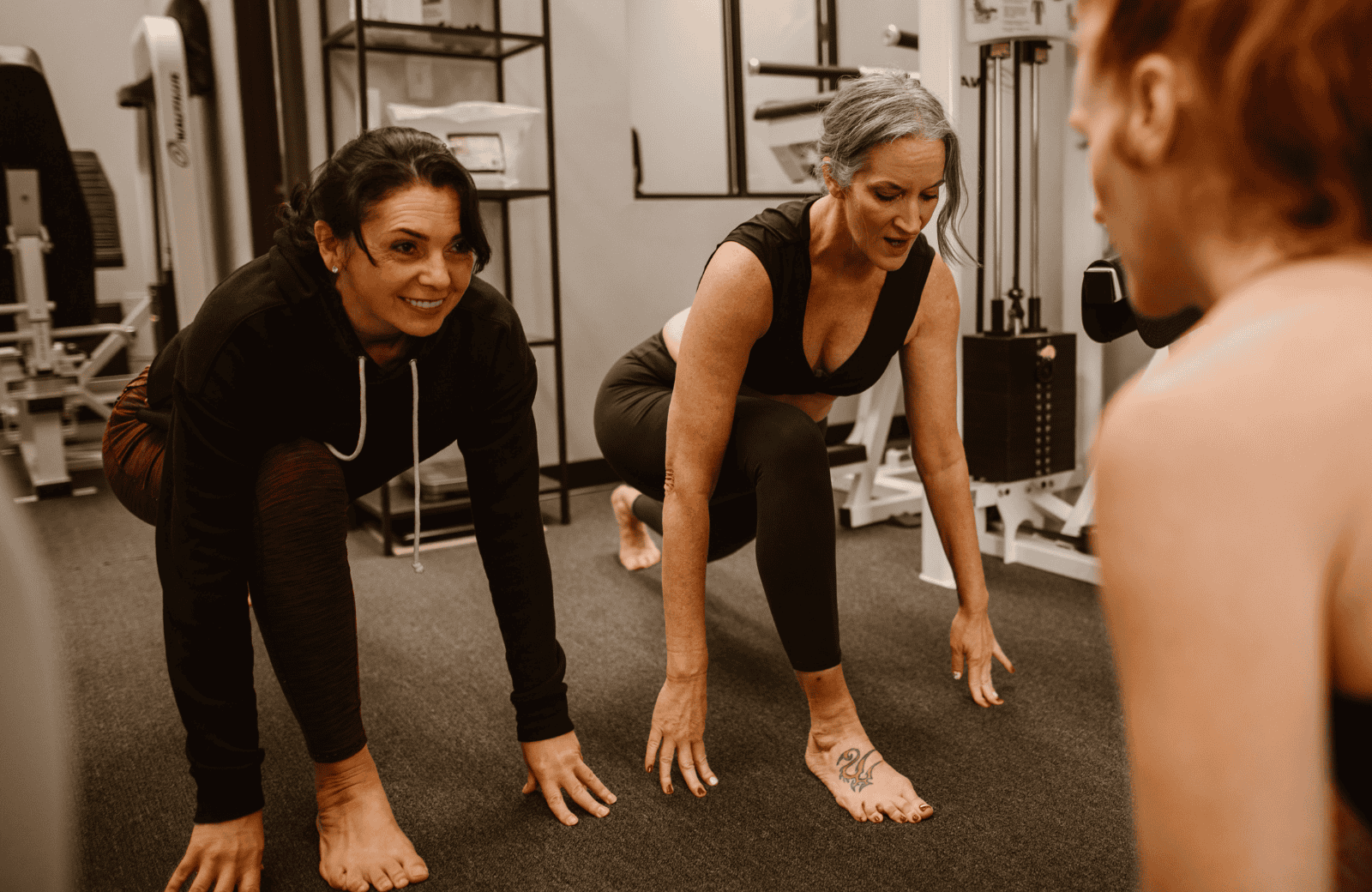
You train your pelvic floor in context, not in isolation. That means you might work on timing your breath with a deadlift, or coordinating your core and hips during lunges, not just squeezing muscles in stillness.
Over time, the goal is simple. Your pelvic floor should quietly handle your life, workouts, and sports while you focus on everything else.
Sample Exercises And Strategies For Active Moms
Every body is different, so this is not a prescription. These ideas simply show how pelvic floor care can blend into real training.
You might work on:
- Breathing drills, like slow inhales and full, controlled exhales that let your ribs and belly move
- Core work that respects your pelvic floor, such as dead bugs, side planks, or bird dogs with good form
- Glute strength, including bridges, hip thrusts, and step ups with attention to alignment
- Gentle impact prep like small hops in place, controlled step downs, or jump landings with soft knees and hips
A helpful strategy is to watch for check engine signals. These include leaks, heaviness, bulging in your abdomen, or pain during or after a session.
When symptoms pop up, you can:
- Reduce load, speed, or impact slightly
- Adjust your breath, such as exhaling through the hardest part of a lift
- Shorten your workout or add more rest periods
You do not have to quit. You simply fine tune how your body handles demand, then build back up with more support.
Red Flags And When To Get Professional Help
Some signs tell you it is time for a deeper look, not more guessing. Listening early can save you a lot of frustration and help you stay active for the long haul.
Reach out to a pelvic floor provider if you notice:
- Leaking that sticks around or worsens despite basic changes
- Pelvic pressure, heaviness, or a feeling of something there in the vagina
- Sharp or persistent pain in the pelvis, low back, hips, or during sex
- Difficulty emptying your bladder or bowels, or straining often
- A history of complex birth, tearing, C section, or chronic pain that never fully improves
You deserve answers that connect the dots between your symptoms and your movement. Getting help is not a sign of weakness, it is the same smart choice you would make for any other injury or performance issue.
Reclaiming Your Training And Daily Life As An Active Mom
Returning To Running, Lifting, And High Impact Sports

Coming back to high impact activity after pregnancy or pelvic floor issues can feel confusing. You might feel pressure to bounce back fast or fear that every step will cause damage.
A more supportive approach focuses on gradual build up and clear feedback from your body. You can:
- Start with walking, hill work, or intervals before full runs
- Use lighter weights with focus on form and breathing before chasing personal records
- Test impact with small hops, then progress to skipping, then short runs
Check in with your body during and after the session. If you feel more heaviness, leaks, or pain, that is a message to adjust the plan, not to quit completely.
With the right progression, you can return to the activities that make you feel most like yourself. Your training can grow alongside your recovery, not fight against it.
Balancing Motherhood, Recovery, And Performance
Your schedule holds kids, work, home life, and maybe a training plan. It is a lot, and adding rehab on top can feel impossible.
The key is to think small and consistent. You do not need long rehab blocks to see progress.
You can:
- Pair short exercises with daily tasks, like breathing drills while rocking a baby or bridges before bed
- Add a few minutes of focused core or hip work as a warmup before lifts or runs
- Choose two or three key exercises and do them often, instead of chasing long, complicated routines
Your recovery can live inside your current life instead of competing with it. When you treat pelvic floor work like training, not a chore, it fits more naturally into your day.
The Emotional Side: Confidence, Identity, And Feeling Strong Again
Pelvic floor symptoms do not just affect your body. They can shake your confidence, shift how you see yourself, and make you feel older than you are.
You might avoid certain workouts, hold back during runs, or skip social plans because you worry about leaks or pain. That can feel isolating, especially if everyone around you acts like childbirth and motherhood should feel back to normal by six weeks.
It helps to remember:
- You are still an athlete, even if you train less or move differently right now
- Your goals are valid, whether you want to race again, lift heavy, or just feel free to chase your kids
- Change takes time, but your body still responds to smart, consistent training
Reclaiming your pelvic floor is not just about dry leggings or less pain. It is about moving the way you want, trusting your body again, and feeling like the strong, capable version of yourself that you know is still there.
Reclaiming Strong, Confident Movement As An Active Mom
Why One On One, Movement Based Care Matters
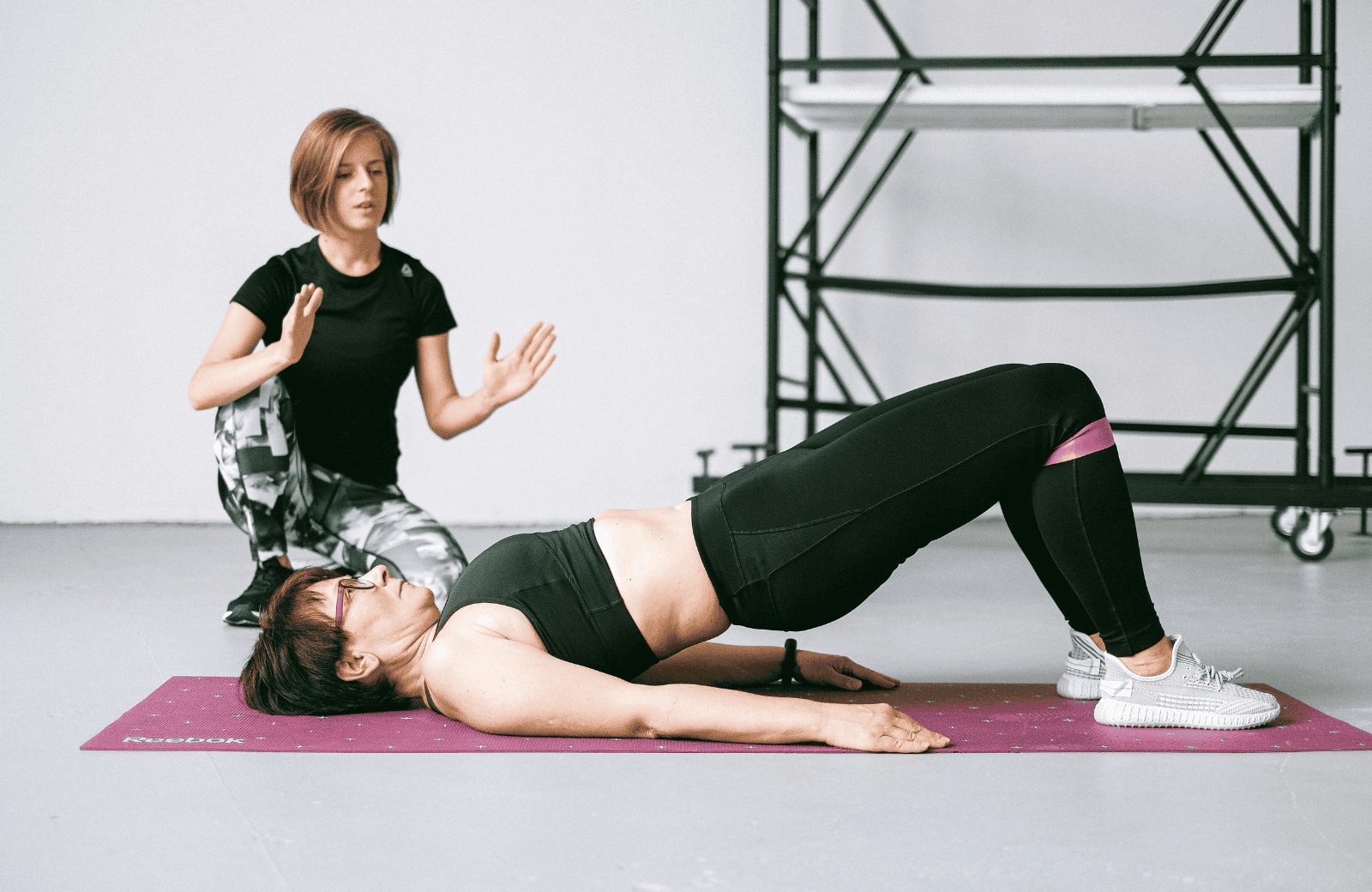
You deserve more than a rushed appointment and a printout of generic exercises. You deserve 1 on 1 care that actually looks at how you move, train, and live.
When you work with RecoverRx Physical Therapy, the focus stays on:
- Root cause problems, not just quick symptom fixes
- How your pelvic floor, core, hips, and breath work together under real life load
- Your specific goals, whether that is heavy lifting, running, or keeping up with your kids without leaks
This kind of care respects your time, your body, and your identity as an athlete and an active mom. It treats your pelvic floor like part of your performance system, not an afterthought.
Support For Active Moms In The Chicago Western Suburbs
If you live in Oakbrook Terrace, Westmont, Naperville, or nearby suburbs, you have access to specialized pelvic floor physical therapy that understands active lifestyles. RecoverRx Physical Therapy works with:
- Active adults and athletes who want to stay strong and perform well
- Moms navigating postpartum recovery, even months or years later
- People with chronic pain or hypermobility who need nuanced, movement based solutions
- Anyone tired of high volume clinics and ready for personal, focused attention
Their space is built for real movement. You can squat, lift, lunge, and practice the exact demands of your sport or daily life while your therapist fine tunes how your body responds.
Take The Next Step Toward Leak Free, Confident Movement
You do not have to wait and see or accept leaks, pressure, or pain as your new normal. With the right plan, you can feel strong, dry, and confident in your workouts and your everyday life.
RecoverRx Physical Therapy offers a free 15 minute discovery call so you can share what you are dealing with and see if pelvic floor physical therapy feels like the right fit. Call 331 253 2426 to schedule your call and take the first step toward moving, lifting, and running without holding back.