A pulled calf muscle is a strain or tear in the muscles at the back of your lower leg. Most mild cases heal in one to three weeks. Moderate strains often take four to eight weeks, while a severe tear can keep you out for three months or more.
The good news is that you have a lot of control over how fast you heal. Early movement, smart loading, and patience get you back to running and lifting without a setback.
Try these steps today:
- Stop running or jumping for now and walk only as much as feels comfortable.
- Use ice or a cold pack for 10 to 15 minutes to calm early pain and swelling.
- Try gentle ankle pumps every hour or two to keep blood moving.
- Check if you can rise up on your toes on the injured side without sharp pain.
- Book an evaluation if you felt a pop, cannot bear weight, or see major bruising.
What Is a Pulled Calf Muscle?
A pulled calf muscle happens when the fibers of your calf stretch past their limit and partly or fully tear. It usually shows up during a sudden push off, a sprint, a jump, or a quick change of direction.
According to the Cleveland Clinic, calf strains are one of the most common injuries that affect athletes. We see them all the time in runners, CrossFit athletes, pickleball players, and weekend warriors who still play like they are 22.
The Two Muscles That Make Up Your Calf
Your calf is really two main muscles that share the Achilles tendon. Each one strains a little differently, and that changes how we rehab it.
- Gastrocnemius: the bigger, outer muscle that crosses both the knee and the ankle. It handles explosive work like sprinting and jumping.
- Soleus: the deeper, flatter muscle under the gastrocnemius. It does most of the work during steady running and walking.
Gastrocnemius Strain vs Soleus Strain
A gastrocnemius strain usually feels sudden and sharp, often in the upper inner calf. A soleus strain tends to build more slowly and sits lower and deeper in the leg.
| Feature | Gastrocnemius Strain | Soleus Strain |
|---|---|---|
| How it starts | Sudden, often with a pop | Gradual tightness that worsens over a run |
| Where it hurts | Upper calf, often the inner side | Lower and deeper, closer to the Achilles |
| Common activity | Sprinting, jumping, tennis, pickleball | Distance running, hill work, high mileage |
| Test that hurts most | Heel raise with a straight knee | Heel raise with a bent knee |
Why Your Calf Is So Easy to Strain
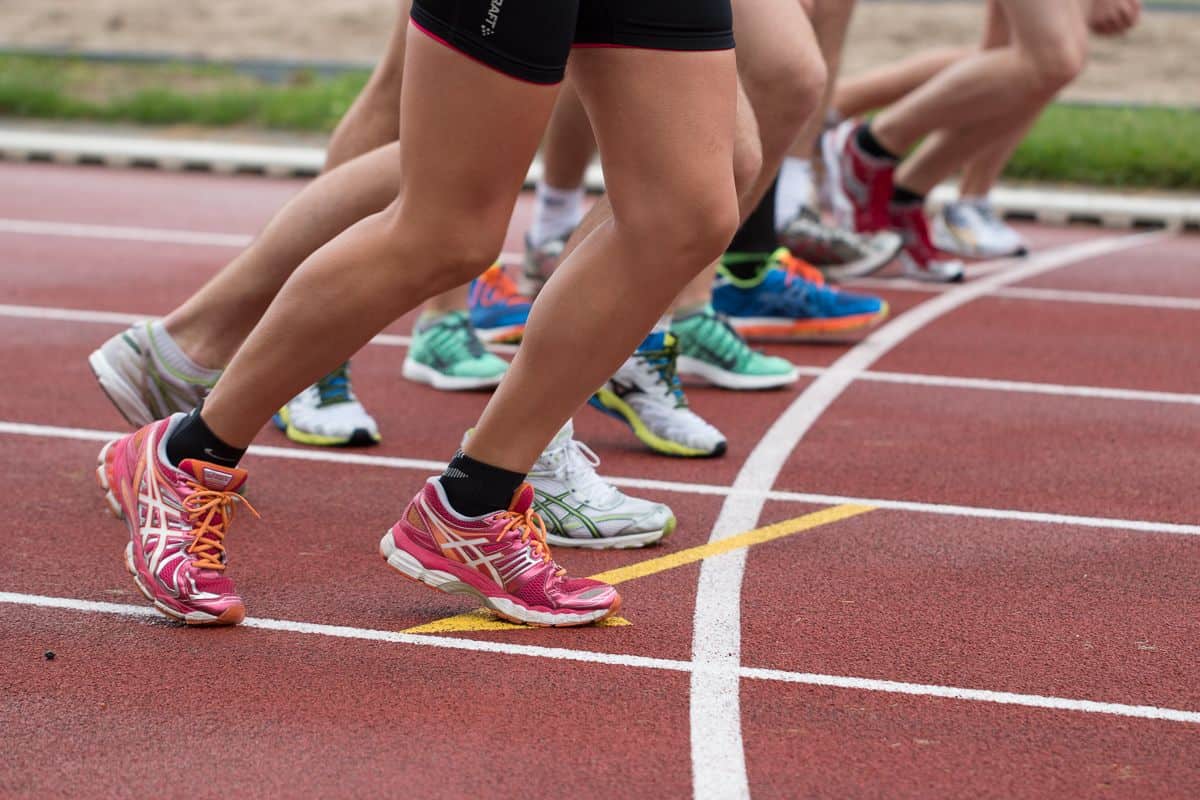
Your calves absorb and return huge forces with every step. During running, they handle several times your body weight on each stride.
When the muscle is tired, weak, or unprepared for a sudden jump in load, it is the first link to give. That is why so many strains happen late in a run or right after a big training change.
How Do You Know if You Pulled Your Calf Muscle?
Most people know right away because the pain hits suddenly in the back of the lower leg. You may feel a pop, a grab, or a sensation like someone kicked you in the calf.
Common Signs and Symptoms
The Cleveland Clinic lists several classic symptoms of a calf strain. These are the ones we hear about most often in our clinic:
- Sudden pain in the back of your lower leg
- A snapping or popping sensation at the moment of injury
- Swelling or bruising in the calf, sometimes spreading toward the ankle
- Pain when you point your toes or push off
- Trouble rising up onto your toes
- Stiffness or pain when you try to straighten your knee
Simple Checks You Can Do at Home
These checks do not replace an exam, but they help you gauge how serious things are. Stop any test that causes sharp pain.
- Walk test: can you walk with a normal heel to toe pattern, or do you limp?
- Double heel raise: can you rise onto both toes with your weight shared evenly?
- Single heel raise: can you rise onto the toes of the injured leg alone?
- Squeeze test: does gentle pressure on the muscle produce one clear tender spot?
If you can walk normally and do single heel raises with mild discomfort, you likely have a milder strain. If walking hurts or a single heel raise is impossible, the injury is probably more significant.
If you are not sure how bad your calf is, we can help you find out quickly. Call us at (331) 253 2426 or request an appointment for a one on one evaluation with a Doctor of Physical Therapy.
What Are the Grades of a Calf Strain?
Calf strains fall into three grades based on how much of the muscle is damaged. The grade is the single biggest factor in how long recovery takes.
| Grade | What Happens | How It Feels | Typical Recovery |
|---|---|---|---|
| Grade 1 (mild) | Small number of fibers overstretched or torn | Tightness, mild pain, walking mostly normal | About one to three weeks |
| Grade 2 (moderate) | Partial tear of the muscle | Clear pain, limping, swelling, weak push off | About four to eight weeks |
| Grade 3 (severe) | Complete or near complete tear | Severe pain, major bruising, cannot push off | Three months or more, sometimes surgery |
Why Grade Alone Does Not Tell the Whole Story
Two people with the same grade can heal on very different timelines. Your age, training history, sleep, and how early you start the right rehab all play a role.
Where the strain sits matters too. Injuries that involve the tendon tissue inside the muscle often take longer than strains in the muscle belly alone.
How Long Does a Pulled Calf Muscle Take to Heal?
Most pulled calf muscles heal in one to eight weeks, depending on the grade and how well you manage the early days. Severe tears can take three months or more before full return to sport.
Healing follows a predictable path. Knowing where you are on that path helps you avoid doing too much too soon.
Phase One: Calm It Down (Days 1 to 5)
Your body starts the repair process right away. Your job is to protect the tissue without shutting the whole leg down.
- Walk within comfort, even if your stride is short.
- Do gentle ankle pumps and circles several times a day.
- Use a small heel lift in your shoe if walking feels sharp.
- Skip aggressive stretching, which can pull apart healing fibers.
Phase Two: Rebuild Strength (Week 1 to Week 4)
Once walking feels easy, the focus shifts to loading the muscle. Strength is what makes the new tissue tough enough for running.
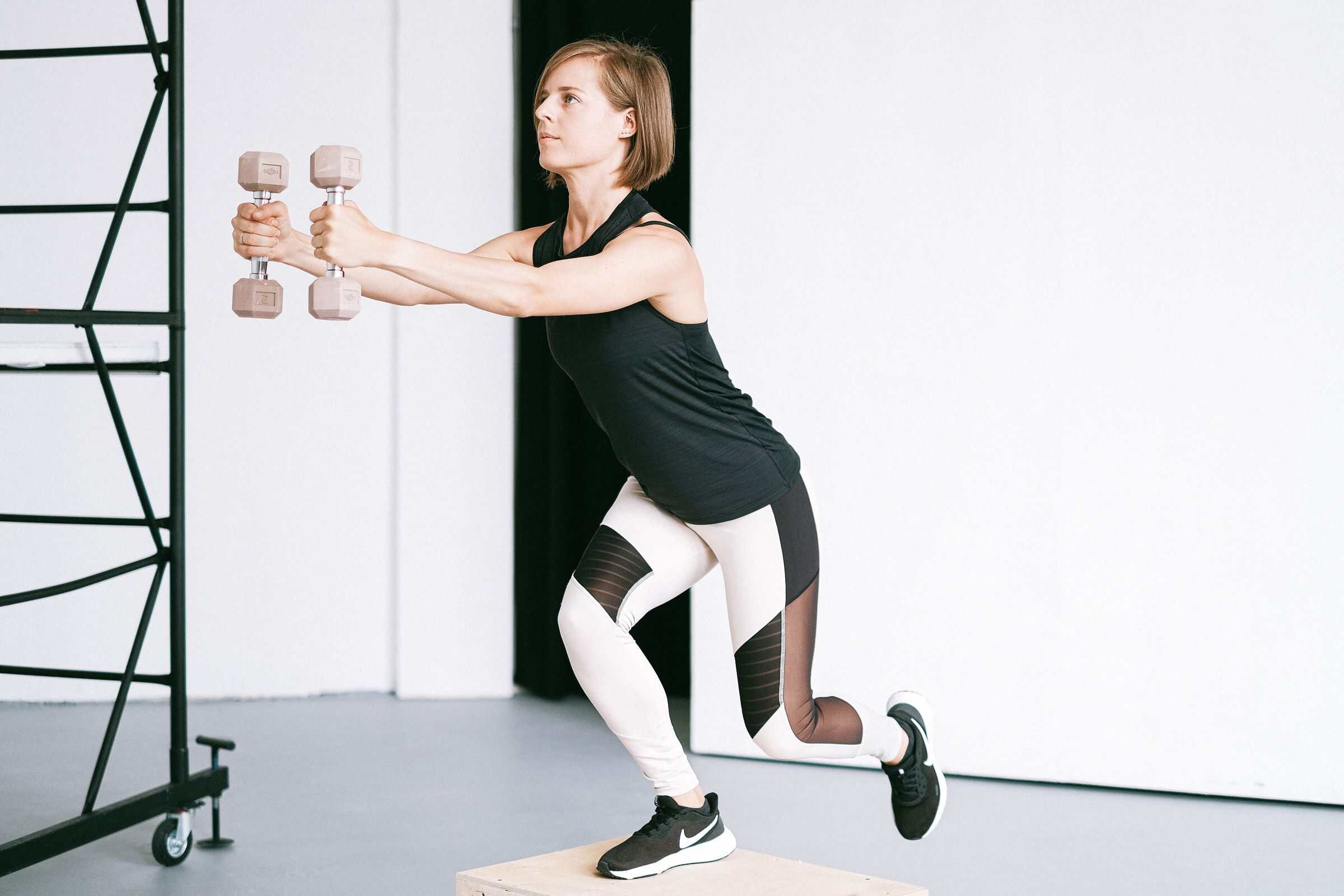
- Double leg heel raises, progressing to single leg
- Bent knee heel raises to target the soleus
- Slow, controlled lowering from a step
- Seated calf raises with added weight as tolerated
Phase Three: Return to Running and Sport (Week 3 and Beyond)
Running comes back once you can do strong, pain free single leg heel raises. We usually like to see you match your healthy side before you return to full training.
Start with walk and run intervals on flat ground. Hills, speed work, and jumping come last because they put the most strain on the calf.
What Is the Fastest Way to Heal a Pulled Calf Muscle?
The fastest way to heal a pulled calf is early, gentle movement followed by a steady strength program. Complete rest usually slows recovery because the muscle loses strength and the new tissue forms in a weaker pattern.
Should You Use Ice or Heat?
Ice can help with pain in the first few days. After that, gentle heat before exercise can make the muscle feel looser and more ready to move.
Neither one heals the muscle on its own. Think of them as comfort tools that make your rehab easier to do.
Should You Stretch a Pulled Calf Muscle?
Light stretching is fine once the first few days pass and walking feels normal. Hard stretching early on is one of the most common mistakes we see.
A strained muscle needs strength more than length. Gentle range of motion keeps you moving, while loading exercises do the real repair work.
Can You Walk on a Pulled Calf Muscle?
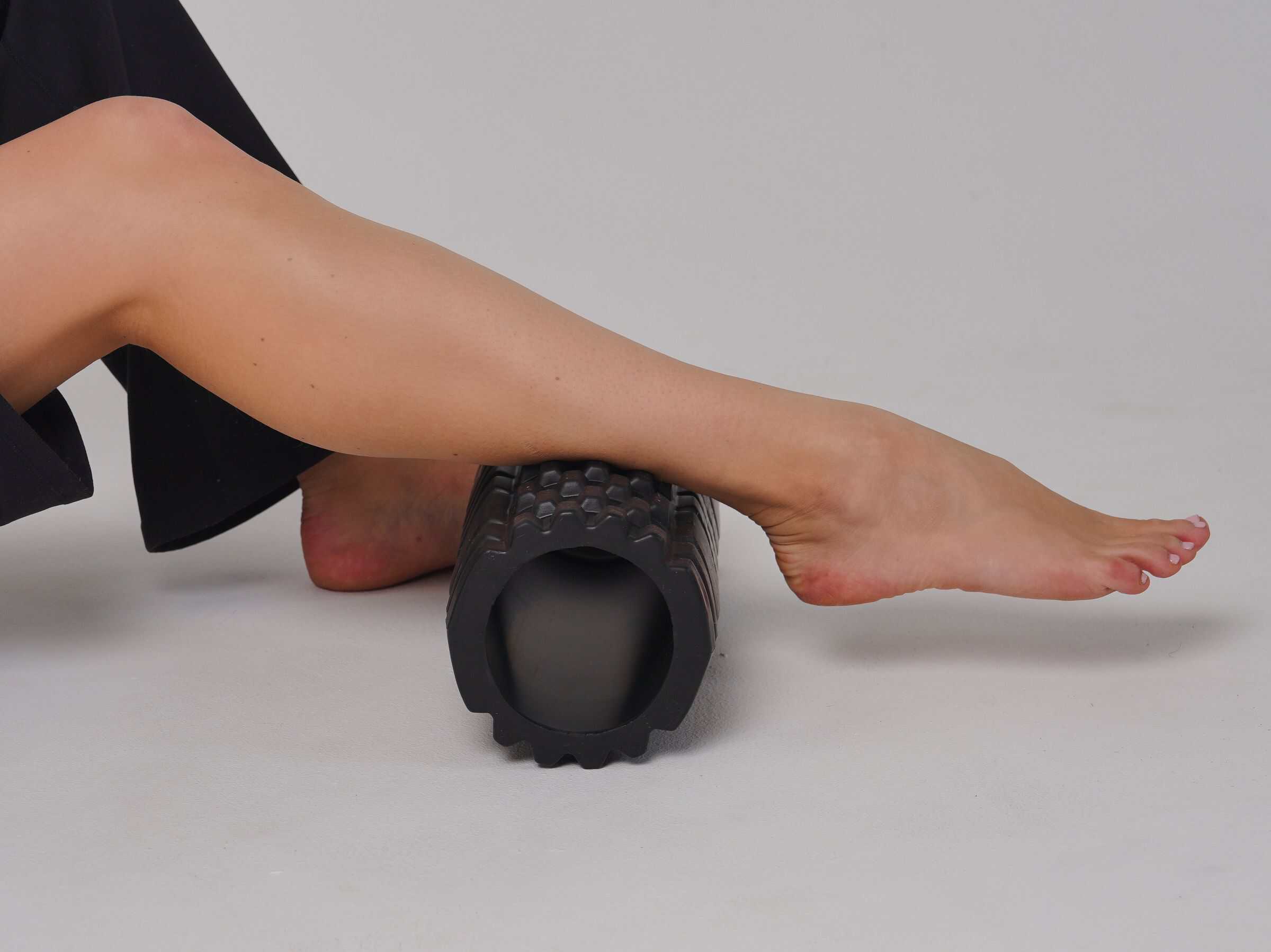
Yes, in most mild and moderate cases you can and should walk. Walking keeps blood flowing to the area and keeps your leg from getting stiff.
If you cannot put weight on the leg at all, use crutches for a few days and get it checked. That level of pain often points to a higher grade injury.
Tools That Can Help
Some patients do well with extra support beyond exercise. Options we may use include:
- Compression sleeves to manage swelling
- Soft tissue work to ease guarding and tightness
- Dry needling for stubborn trigger points in the calf
- Blood flow restriction training to build strength with lighter loads
Why Do Calf Strains Keep Coming Back?
Calf strains come back when people return to running before the muscle is strong enough. The pain fades long before the tissue is fully ready for speed and hills.
Research from 20 expert sports clinicians in Sports Medicine Open found that more than half of repeat calf strains happen during rehab or soon after return to play. The same research notes that failed management adds about two weeks to the average return time.
Common Reasons for a Repeat Strain
- Returning as soon as the limp goes away
- Skipping single leg strength work
- Jumping straight back to old mileage or speed
- Ignoring weakness in the hips, glutes, or foot
- Poor sleep and fueling during a heavy training block
How to Know You Are Ready to Return
Feeling good is a start, but it is not a test. These markers give you a much clearer picture:
- You can do 20 or more single leg heel raises on the injured side.
- Your injured side matches your healthy side for strength.
- You can hop on one leg without pain.
- You can jog for 20 minutes the day after with no extra soreness.
Who Is Most at Risk for a Pulled Calf Muscle?
Runners, court sport athletes, and active adults over 35 face the highest risk. Age matters because muscle and tendon tissue become less elastic over time.
Risk Factors We See Most Often
- Masters runners and athletes in their 40s, 50s, and beyond
- Sudden jumps in mileage, speed, or hill work
- A past calf strain on either side
- Low calf strength or endurance
- Switching to minimal or very low drop shoes too quickly
- Playing pickleball, tennis, or basketball without a warm up
How to Lower Your Risk
A strong, well prepared calf is your strongest protection. A few minutes of strength work each week goes a long way.
- Do heel raises two to three times per week, both straight and bent knee.
- Increase your weekly mileage gradually rather than in big jumps.
- Warm up with brisk walking, skips, and light hops before hard efforts.
- Change your shoes slowly and give your calves time to adapt.
When Should You See a Physical Therapist for a Pulled Calf?
See a physical therapist if your calf still hurts after a week or you still limp. We can also map out a safe return to running. Early guidance often shortens the whole recovery.
Our running injury rehabilitation starts with a detailed exam to confirm which muscle is involved and how severe the strain is. From there, we build a plan around your sport and your schedule.
Signs You Need Medical Care Right Away
Some symptoms point to something more serious than a strain. Get checked by a doctor promptly if you notice any of these:
- A feeling like you were kicked in the heel, with trouble pointing your foot
- Calf pain with warmth, redness, and swelling that came on without an injury
- Swelling that keeps getting worse after the first few days
- Numbness or tingling in the foot
Calf pain and swelling without a clear injury can sometimes signal a blood clot. That needs urgent medical attention, not rehab.
Frequently Asked Questions
Is a pulled calf muscle the same as a torn calf muscle?
Yes, a pulled calf muscle is a strain, which means some muscle fibers are torn. A mild pull has a small amount of tearing, while a severe strain is a full tear of the muscle.
Should I massage a pulled calf muscle?
Skip deep massage for the first few days because it can irritate the injured area. After that, gentle massage or soft tissue work can ease tightness and help you move better.
Can I still lift weights with a pulled calf?
Usually, yes. Upper body work, seated exercises, and many hip and core movements are fine. We can help you adjust leg work so you keep training without stressing the calf.
Why does my calf feel tight weeks after the injury?
Lingering tightness often means the muscle is still weak and guarding itself. Strength work tends to ease that feeling better than more stretching does.
Do I need an MRI for a calf strain?
Most calf strains do not need imaging. An MRI or ultrasound may help with a severe tear, a strain that keeps coming back, or a recovery that stalls.
Can compression socks help a pulled calf muscle?
Compression can help manage swelling and make the calf feel supported. It does not replace strength work, but it can make walking and early exercise more comfortable.
How We Help You Recover From a Pulled Calf Muscle
A pulled calf can feel like a small injury until it keeps you off the road for weeks. We help you heal it right the first time so it does not keep coming back.
One on One Care With a Doctor of Physical Therapy
Every visit at RecoverRx is one on one with a Doctor of Physical Therapy. We spend the time to find why your calf strained, not just where it hurts.
That might mean looking at your running mechanics, hip strength, foot control, or training load. The goal is a stronger calf and a smarter plan, not just a quiet one.
A Plan Built Around Your Sport
Your rehab should look like your life. If you run trails, play pickleball, or train at a CrossFit box, we build your plan to get you back to that exact activity.
We guide each step, from walking comfortably to single leg strength to your first hard workout back. You always know where you are and what comes next.
Care Close to Home in the Western Suburbs
We see active adults and athletes in Oakbrook Terrace, Westmont, and Naperville. Our Westmont and Naperville locations sit inside training gyms, so your rehab can flow right into your workouts.
Request an Appointment
If a pulled calf muscle is slowing you down, we are ready to help you get moving with confidence again. Start with a free 15 minute discovery call with our team to talk through your injury and your goals.
Call us at (331) 253 2426 or Request an Appointment today. We will help you build a calf that is ready for every mile.