CALL US TODAY

331-253-2426

RecoverRx Staff

sports injury doctor

What a Sports Injury Doctor Should Really Do for You

When you think of a sports injury doctor, you might picture someone who tells you to rest, ice, and wait. But real recovery takes more than rest. It’s about understanding how your body moves, heals, and performs under pressure.
You deserve more than a quick fix or a prescription for time off. You deserve a plan that rebuilds your strength, restores your confidence, and gets you back to doing what you love.
A true recovery process means:
• Pinpointing the root cause of your pain, not just masking symptoms.
• Restoring mobility and strength through targeted, science-based movement.
• Building long-term resilience so the same injury doesn’t return.
At RecoverRx Physical Therapy, we don’t just treat pain—we teach your body how to perform better than before. Because when you understand how your body works, healing stops being a mystery and starts becoming your new strength.

What a Sports Injury Doctor Should Really Do for You Read More »

can shockwave therapy cause damage

Can Shockwave Therapy Cause Damage? Discover How It Supports Healing

When pain lingers, it’s natural to worry about whether a treatment might do more harm than good. You may wonder if Shockwave Therapy can cause damage to your body with its strong sound waves.
The truth is, this therapy is designed to help your tissues heal, not break them down. It stimulates blood flow, breaks up scar tissue, and reduces inflammation in a safe and controlled way.
Think about it like this: instead of masking pain, Shockwave Therapy helps your body restart its own repair process. That’s why people often feel relief in weeks instead of months.
What makes it safe and effective is the way it works with your body, not against it. If you’ve been stuck with pain that won’t move on, this therapy could give you a real path forward.

Can Shockwave Therapy Cause Damage? Discover How It Supports Healing Read More »

how long does it take for a pulled muscle to heal in your back

How Long Does It Take For A Pulled Muscle To Heal In Your Back?

When you pull a muscle in your back, the first thing you want to know is how long recovery will take. A pulled muscle can feel like a sharp, stabbing pain or a deep ache that makes even simple movements difficult. The healing time depends on the severity of the strain, your activity level, and how you care for the injury. Some strains may ease within a couple of weeks, while more severe ones can take longer. You might notice: Sudden tightness or spasm when moving Swelling or bruising around the area Limited range of motion that makes normal activities tough Understanding how long it takes for a pulled muscle to heal in your back gives you the clarity to set realistic expectations. It also helps you know when to rest, when to move, and when to seek extra support if healing feels slow.

How Long Does It Take For A Pulled Muscle To Heal In Your Back? Read More »

hip pain during pregnancy

Hip Pain During Pregnancy Isn’t “Just Part of It”

Hip pain during pregnancy can feel like it’s stealing the joy out of a time that’s supposed to be exciting and full of anticipation. You’re trying to stay active, sleep through the night, and enjoy your growing belly—but the aching in your hips won’t let up.
This pain isn’t something you’re supposed to just “deal with.” It’s your body asking for support. The good news? You can get relief, and it doesn’t involve just waiting until the baby arrives.

Hip Pain During Pregnancy Isn’t “Just Part of It” Read More »

groin muscle

Groin Muscle Strain? Why Rest Isn’t Enough

You rest, wait, and hope the pain fades. But the truth is, rest alone doesn’t heal a groin muscle strain.
That nagging ache or sharp pull needs more than time off. Without targeted movement, scar tissue builds, muscles weaken, and you end up stuck in a cycle of pain.
If you’ve been babying your groin muscle and still can’t walk or twist comfortably, you’re not alone. This injury often lingers not because it’s serious—but because it’s misunderstood.
Let’s talk about what actually helps a strained groin muscle recover:
• Active recovery that rebuilds strength and flexibility
• Gentle mobility work to restore range
• Therapy that targets the exact structures involved
You can absolutely get back to full strength. But you need a plan, not just patience.

Groin Muscle Strain? Why Rest Isn’t Enough Read More »

tennis elbow brace

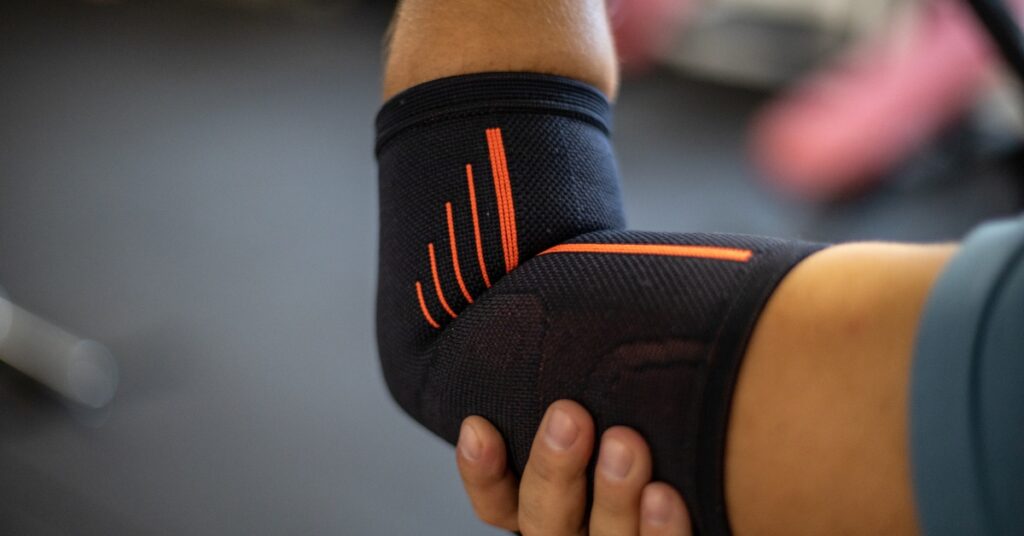
Why Your Tennis Elbow Brace Isn’t Helping and What to Do Next

You strap on the tennis elbow brace, hoping it will calm the ache. At first, maybe it does. But days or weeks later, the pain creeps back, sometimes worse than before.
That’s because the brace doesn’t fix what’s actually wrong. It might mask symptoms, but it won’t restore tendon health or change how your body moves under stress.
If your pain flares up during gripping, lifting, or any repetitive arm motion, you’re dealing with more than inflammation. You’ve likely developed faulty movement patterns, reduced load tolerance, or tissue irritation that a simple strap can’t address.
Instead of relying on a brace, you need:
A real diagnosis to find the source of tissue overload
Targeted manual therapy to reduce irritation and improve mobility
Strength training to rebuild tendon capacity
Motor control work to reprogram how you move under load
Tennis elbow isn’t a brace problem. It’s a movement problem. And that’s where sports physical therapy becomes the long-term solution you’ve been looking for.

Why Your Tennis Elbow Brace Isn’t Helping and What to Do Next Read More »

Hypermobility vs Hyperflexibility

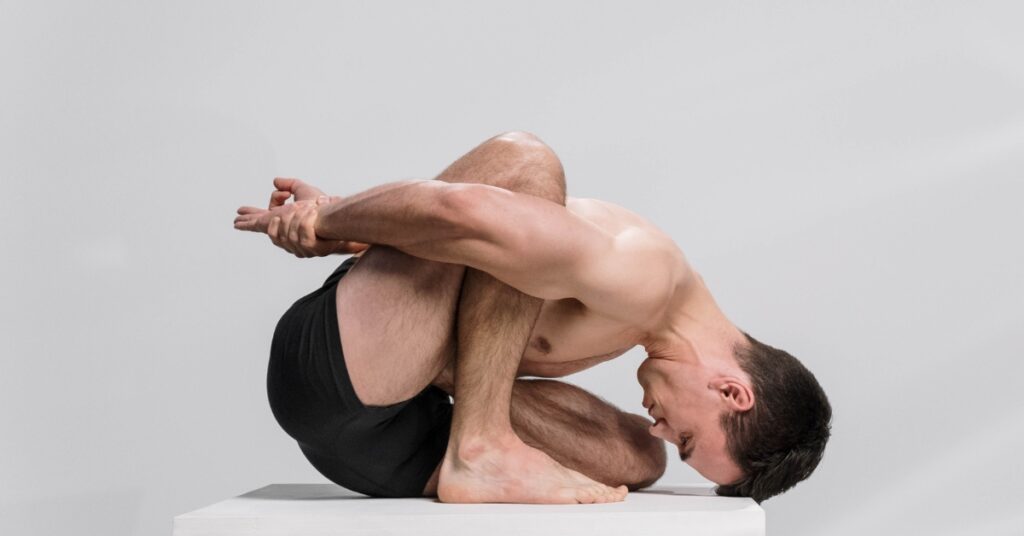
Stretching More May Hurt: Hypermobility vs Hyperflexibility

You stretch because your body feels tight. Maybe it’s your hamstrings, your hips, or your shoulders. The assumption is simple: tight muscles need to be lengthened.
But what if that tightness is your body’s warning system, not a call to stretch more? For many athletes, especially those with excessive flexibility, aggressive stretching can actually do more harm than good. That’s especially true if you deal with joint pain, chronic discomfort, or symptoms that don’t improve no matter how much you stretch.

Stretching More May Hurt: Hypermobility vs Hyperflexibility Read More »