Bringing a baby into the world changes everything, including your body. If you are dealing with leaking, pressure, pain, or core weakness after birth, pelvic floor dysfunction treatment for postpartum moms can help you feel strong, capable, and in control again.
You might notice you leak when you sneeze, feel a heavy sensation down there, or tense up with pain during intimacy. These symptoms can feel embarrassing or isolating, but they are common and very real signs that your pelvic floor needs support, not that you did anything wrong.
Your pelvic floor is a group of muscles that help control your bladder and bowels, support your organs, and work with your core every time you move. Pregnancy, delivery, and even the early weeks of newborn care place a lot of stress on those muscles, so it makes sense that they need thoughtful rehab instead of quick fixes.
In this blog, the focus is on what pelvic floor dysfunction looks like after birth and why it happens. You also see clear, practical treatment options so you can understand what is going on in your body and what you can do to start feeling better.
The goal is simple. Help you feel informed, less alone, and more confident taking the next step in your postpartum recovery.
Understanding Postpartum Pelvic Floor Dysfunction
What The Pelvic Floor Is And What It Does
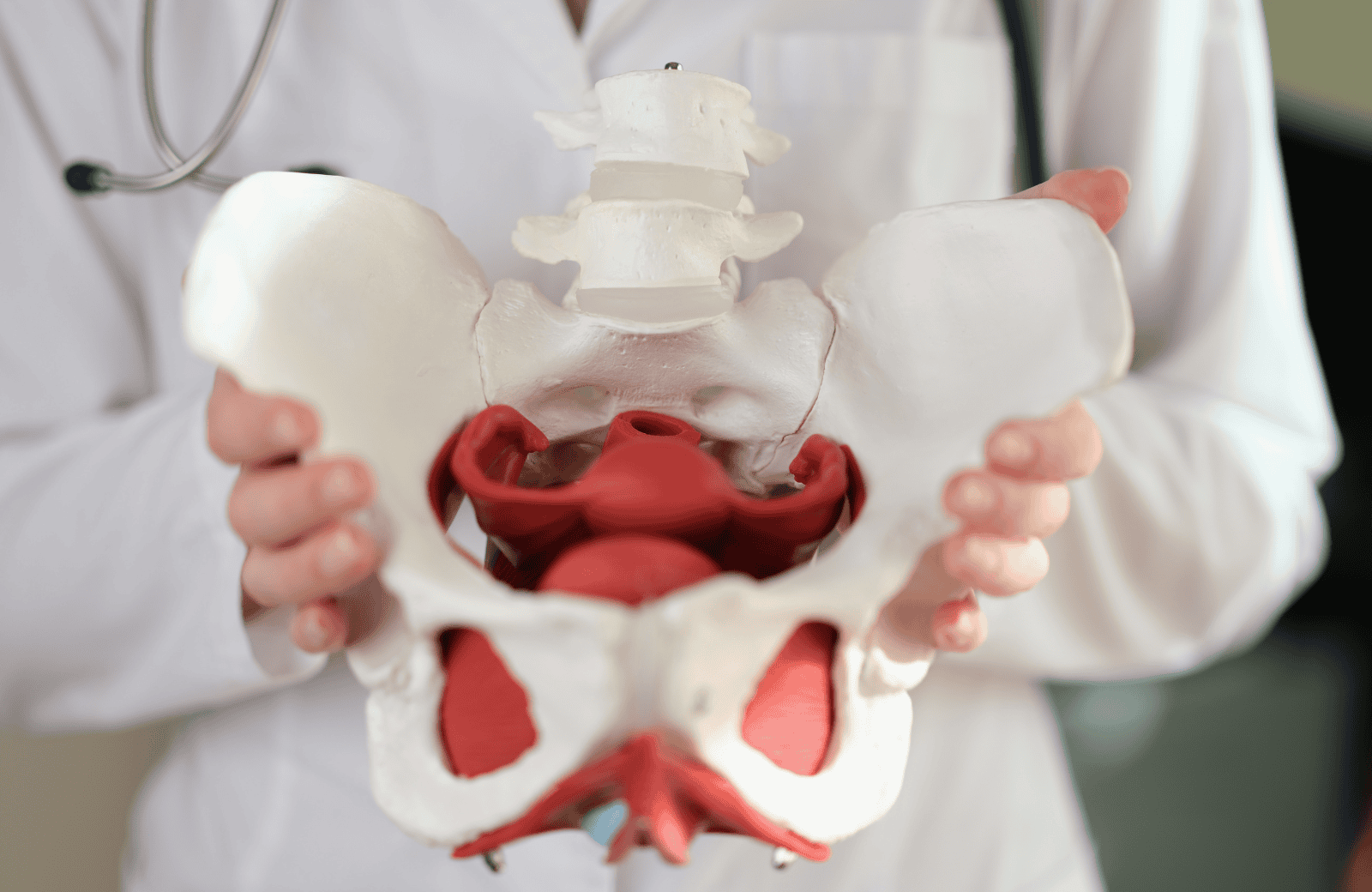
The pelvic floor is a group of muscles, ligaments, and connective tissue at the base of the pelvis. These muscles form a supportive hammock from the pubic bone to the tailbone and between the sit bones.
They are small, but they handle big jobs every single day. The pelvic floor helps you:
- Control your bladder and bowels
- Support your pelvic organs, such as your bladder, uterus, and rectum
- Stabilize your hips, pelvis, and lower back together with your deep core muscles
- Enjoy a comfortable sex and orgasm
- Manage pressure when you cough, laugh, lift, or exercise
When those muscles work well, you usually do not think about them at all. When they are weak, tight, or out of sync, you can feel the impact in many parts of daily life.
How Pregnancy And Childbirth Affect The Pelvic Floor
Pregnancy itself changes your pelvic floor long before labor starts. A growing baby, extra fluid, and the weight of the uterus all add pressure to those muscles for months.
Hormones also soften ligaments and tissues to prepare your body for birth. That flexibility is helpful for delivery, but it can leave your pelvis and core feeling less stable afterward.
During a vaginal birth, the pelvic floor stretches to allow your baby to pass. Even with a smooth delivery, that stretch can lead to small tears, bruising, or nerve irritation that needs time and support to heal.
If you have a C-section, your pelvic floor still experiences the weight and pressure of pregnancy. You also recover from abdominal surgery that affects your core, posture, and how you move, all of which can influence how the pelvic floor functions.
On top of that, newborn care keeps you in challenging positions. You bend, twist, lift, and carry with less sleep and more stress, which can make symptoms show up or feel worse.
Common Signs Of Postpartum Pelvic Floor Dysfunction
Pelvic floor dysfunction is a broad term that means your pelvic floor is not coordinating, relaxing, or contracting the way it should. It can feel like things are too weak, too tight, or a mix of both.
You might notice:
- Leaking urine when you cough, sneeze, laugh, jump, or run
- A heavy, dragging, or falling-out sensation in your vagina
- Pelvic pain or pressure that gets worse by the end of the day
- Pain with sex, pelvic exams, or tampon use
- Difficulty starting or fully emptying your bladder
- Constipation or straining with bowel movements
- Core weakness, back discomfort, or a stubborn pooch in your lower belly
- Bulging or doming down the center of your abdomen when you sit up or lift
Some symptoms feel mild and easy to ignore at first. Others feel intense and affect how you move, parent, and show up in daily life.
Either way, your symptoms are valid and worth paying attention to. There is no need to wait until things feel bad enough to deserve support.
Myths That Hold Postpartum Moms Back From Getting Help
A lot of postpartum pelvic floor problems stick around because of myths you may hear from friends, family, or even other providers. These messages can make you doubt your experience or feel like nothing will change.
Several myths show up again and again and often keep people from seeking help when treatment could make a real difference.
Leaking After Kids Is Normal, Just Live With It
Leaking after birth is common, but that does not mean it is healthy or permanent. It is a sign that your system needs guided rehab, similar to a sprained ankle or a sore back.
You should not have to cross your legs every time you sneeze or plan your day around bathroom access. With the right approach, many people see real changes in control and confidence.
Just Do Kegels And It Will Go Away
Kegels can help some people, but they are not a complete plan. If your pelvic floor is already tight or guarded, more squeezing can actually make symptoms worse.
What really helps is coordination. That means learning how to relax, engage, and manage pressure through your whole core, not just clench one set of muscles.
I Had A C-Section, So My Pelvic Floor Is Fine
A C-section does not give your pelvic floor a free pass. Pregnancy still loads those muscles for months, and surgery affects your core, posture, and breathing patterns.
Many people with C-sections still experience leaking, pressure, or pelvic pain. Care that looks at your whole body and your unique birth story often creates better results.
I Am Too Far Postpartum For Therapy To Help
It is never too late to work on your pelvic floor. Whether you are six weeks postpartum or six years, those muscles can still learn, adapt, and get stronger with the right plan.
If you have lived with symptoms for a long time, you might just need a more thoughtful, step-by-step approach. That is still worth the effort, because it changes how you move and feel for years.
Evidence-Based Pelvic Floor Dysfunction Treatment For Postpartum Moms
Why A Pelvic Floor Physical Therapy Evaluation Matters
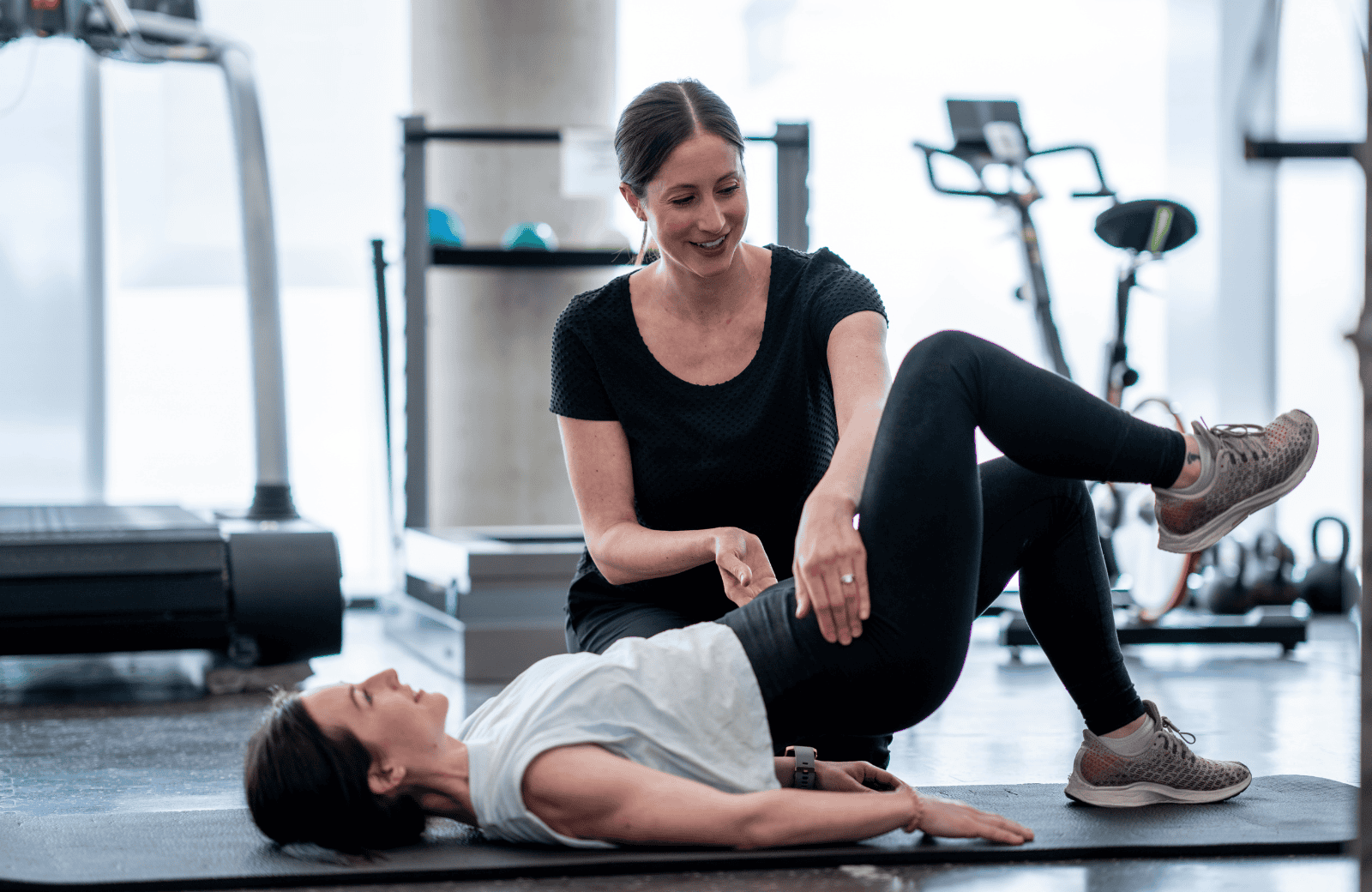
A pelvic floor physical therapy evaluation gives you answers that random internet exercises cannot. It creates a clear picture of what is going on, so you can stop guessing and start following a plan that fits your body.
During a typical evaluation, a pelvic floor therapist will:
- Listen to your birth story, symptoms, and goals
- Ask about your bladder, bowel, and sexual health in a respectful, judgment-free way
- Watch how you stand, walk, squat, and move through daily tasks
- Assess your breathing and how your core and hips work with your pelvic floor
- With your consent, perform an internal pelvic floor exam to check strength, coordination, and tension
An internal exam is always your choice. If you are not ready, the therapist can still gather useful information and start with external work.
The goal is not to label you as broken. The goal is to understand which pieces of the system need support so treatment can be specific and effective.
Beyond Kegels: Restoring Strength, Coordination, And Control
Good pelvic floor rehab looks at how, when, and why your muscles work, not just how hard they can squeeze. It focuses on timing, control, and integration with the rest of your body.
You might work on:
- Relaxing and lengthening your pelvic floor so it can contract more effectively
- Coordinating your breath with pelvic floor movement
- Learning how to engage gently for support before you lift, stand, or sneeze
- Building endurance so your muscles can handle longer walks, chores, or play without fatigue
- Adding functional strength training that involves your hips, glutes, and deep core
Instead of endless, isolated Kegels, you practice skills that you can use in real life. That might mean learning how to pick up a car seat without leaking or how to carry your toddler without hip or pelvic pain.
Treating Pain, Prolapse, And Incontinence Specifically
Pelvic floor dysfunction shows up differently in each person, so treatment should match your specific pattern. Three common issues are incontinence, prolapse, and pelvic pain.
For stress incontinence, where you leak with effort or impact, treatment can include:
- Strengthening and timing your pelvic floor to engage before a cough or jump
- Training your core and hips to share the load so your pelvic floor is not doing all the work
- Adjusting breathing so you do not bear down on your pelvic floor when you exert yourself
For urge incontinence, where you feel a sudden, intense need to go, you might work on:
- Calming overactive pelvic floor muscles and nerves
- Practicing urge suppression strategies and bladder retraining
- Identifying triggers such as specific drinks, habits, or positions
For pelvic organ prolapse symptoms, such as heaviness or bulging, treatment can include:
- Learning positions and breathing patterns that relieve pressure
- Strengthening the pelvic floor and surrounding muscles to improve support
- Modifying activities so you can stay active without feeling worse
If you have pain with sex or pelvic exams, your plan often focuses on:
- Gentle release work to help tight, guarded muscles relax
- Desensitization techniques that help calm pain signals over time
- Mobility and strength work for your hips, back, and core so they support the pelvic floor
No matter what your main symptom is, a good therapist respects your pace. You stay in control of what feels safe and what you are ready to try.
Movement-Based Rehab for Real-Life Mom Demands

Life after birth does not look like a neat gym program. It looks like car seats, strollers, diaper bags, floor play, laundry baskets, and constant transitions from sitting to standing.
Movement-based rehab prepares you for exactly that. Instead of only lying on your back doing small exercises, you also practice positions and tasks that match your real daily routine.
That might include:
- Lifting techniques for car seats, groceries, and baby gear
- Ways to get on and off the floor that respect your core and pelvic floor
- Strategies for babywearing that reduce strain on your back and pelvis
- Gentle progressions for walking, low-impact cardio, and eventually running if that is a goal
As you build capacity, those daily tasks feel less draining. Trust in your body grows, instead of bracing for pain or leaking every time you move.
The Role Of Posture, Breathing, And The Core
The pelvic floor does not work alone. It is part of a pressure system that includes the diaphragm, deep abdominals, and back muscles.
If you hold your breath, grip your abs, or slump from fatigue, you change how pressure moves through that system. Over time, this can increase strain on your pelvic floor.
In pelvic floor rehab, you might learn to:
- Breathe into your ribcage and belly instead of only your upper chest
- Let your pelvic floor gently lengthen as you inhale and recoil as you exhale
- Stack your ribs over your pelvis so your weight spreads more evenly
- Use your deep core instead of clenching your outer abs all day
If you have diastasis recti, or a separation in your abdominal wall, this approach is especially important. The goal is not to chase a perfect gap, but to improve how your core and pelvic floor share load and create tension.
When To Seek Help: What Is Common Versus What Is Normal
Many postpartum symptoms are common. That does not mean you have to accept them as your new normal.
Support can be helpful at any point, but you may want a professional assessment if you:
- Still leaking, have pain, or feel pressure three months or more after birth
- Notice symptoms getting worse when you lift more, return to work, or become more active
- Feel worried about exercise because you do not trust your body
- Avoid sex or certain movements out of fear of pain or leaking
It is not necessary to push through, ignore your body, or wait for things to magically resolve with time. Postpartum recovery is not just about bouncing back; it is about rebuilding a foundation that lets you move, parent, and live with confidence in the body you have right now.
How Personalized Pelvic Floor Care Supports Your Postpartum Recovery
Rebuilding Confidence In Your Postpartum Body
Postpartum healing is not just about reaching the six-week checkup. It is about rebuilding trust in your body so you can lift, laugh, and move without fear of leaking or pain.
With one-on-one pelvic floor care, it becomes easier to understand what is happening, why it is happening, and what you can do about it. That clarity alone can feel like a huge weight off your shoulders.
At RecoverRx Physical Therapy, the focus stays on functional results, not quick fixes. You are not just doing exercises; you are learning skills that support real life with a baby, a family, and a busy schedule.
What One-on-One Postpartum Pelvic Floor PT Looks Like
You are never just a number on a schedule at RecoverRx. Every visit is one-on-one, so there is time to listen to your story and adjust your plan in real time.
Each session is tailored to your specific symptoms, your birth history, and your goals. That might mean focusing on leaking, pelvic pain, prolapse symptoms, or building the strength to get back to the activities that matter to you.
A typical plan often includes:
- Education that makes your symptoms make sense
- Hands-on techniques to help muscles relax or activate better
- Targeted exercises that match your current stage instead of a generic postpartum handout
- Guidance for lifting, carrying, and moving in ways that feel strong and sustainable
- Step-by-step progressions so you do not feel rushed or held back
The aim is to help you feel more in control and less confused about what your body needs right now. This kind of care supports real change instead of temporary relief.
Caring For The Whole You, Not Just One Muscle Group
Pelvic floor dysfunction rarely exists in isolation. Your hips, core, back, breathing, and even stress levels all play a role in how you feel day to day.
RecoverRx providers look at how your whole body moves and adapts to postpartum life. That means your care can support more than just your pelvic floor; it can improve how you sit, stand, lift, and live.
The team also understands that postpartum life is full. You may be short on sleep, time, and energy, so your plan stays realistic and focused on small, meaningful wins that fit into your routine instead of adding more pressure.
You Deserve Support, Not Just Deal With It
If you live in the Chicago western suburbs, including Oakbrook Terrace, Westmont, Naperville, or nearby communities, you have access to specialized pelvic floor physical therapy that takes your concerns seriously. Your symptoms are not just part of being a mom.
You deserve care that respects your body, your time, and your goals. It is not too early, and it is not too late, to start working on your pelvic floor and your confidence.
Ready To Take The Next Step In Your Postpartum Recovery
If you are tired of guessing, searching online, or being told to just do Kegels, it may be time for a more focused plan. The RecoverRx team is ready to help you move from confusion and frustration to greater clarity, strength, and confidence.
RecoverRx Physical Therapy offers a free 15-minute discovery call so you can ask questions, share your story, and see if pelvic floor physical therapy feels right for you. Call 331 253 2426 to schedule your discovery call and start moving toward a postpartum recovery that truly supports the way you want to live.