
SI joint pain relief usually comes from calming the irritated joint first, then strengthening the muscles that hold your pelvis steady. Most people feel better within a few weeks when they pair smart activity changes with targeted exercise and hands on care.
Your sacroiliac joints sit where your spine meets your pelvis, one on each side of your low back. When they get irritated, the pain can make lifting, running, sitting, and even rolling over in bed feel like a chore.
Try these steps today:
- Avoid long periods of sitting and get up to move every 30 to 45 minutes.
- Try heat or ice for 15 minutes, whichever feels better for you.
- Put a pillow between your knees when you sleep on your side.
- Swap heavy single leg or twisting exercises for gentle glute and core work.
- Track which positions and movements make the pain better or worse.
What Is the SI Joint and Why Does It Hurt?
The SI joint connects the base of your spine, called the sacrum, to the large bones of your pelvis. It moves only a little, but it transfers force between your upper body and your legs every time you walk, run, or lift.
Strong ligaments and muscles hold the joint steady. When that system gets overloaded or loses balance, the joint and the tissue around it can become painful.
How Common Is SI Joint Pain?
SI joint pain is more common than most people think. According to the Cleveland Clinic, some studies estimate that around one quarter of people with low back pain have sacroiliitis. That is inflammation of the SI joint.
That means a lot of stubborn low back pain is really coming from the pelvis. If your back treatment has not helped, the SI joint may be the missing piece.
Common Causes of SI Joint Pain
In active adults, SI joint pain often builds from load and movement patterns rather than one big injury. These are the causes we see most often:
- Heavy lifting with uneven loading, such as lunges, split squats, or carries
- Running with weak glutes or a big jump in mileage
- A fall onto your buttock or a sudden misstep
- Joint hypermobility, where the ligaments allow too much motion
- Leg length differences or a habit of standing on one leg
- Inflammatory arthritis, such as ankylosing spondylitis
Too Much Motion vs Too Little Motion
SI joint problems usually fall into two patterns. Knowing which one fits you changes which kind of relief works.
| Pattern | What It Feels Like | Who Tends to Have It | What Usually Eases It |
|---|---|---|---|
| Too much motion | Achy, unstable, worse with standing on one leg or long walks | Hypermobile people, dancers, some lifters | Stability and strength work, support belts for short periods |
| Too little motion | Stiff, one sided pain that may travel into the buttock or thigh | Desk workers, runners, people after a fall | Manual therapy, mobility work, then strength |
If you are not sure which pattern fits you, a hands on exam can sort it out fast. Call us at (331) 253 2426 or request an appointment to work one on one with a Doctor of Physical Therapy.
What Does SI Joint Pain Feel Like?
SI joint pain usually feels like a deep ache on one side of your low back, right over the dimple above your buttock. It can also spread into the buttock, hip, groin, or back of the thigh.
Common Symptoms
- Pain on one side of the low back, below the belt line
- Pain that gets worse when you stand up from sitting
- Pain climbing stairs, getting out of a car, or rolling over in bed
- Discomfort standing on one leg or putting on pants
- Stiffness in the morning or after sitting for a long time
- A feeling that your leg might give way
SI Joint Pain vs Other Causes of Low Back Pain
SI joint pain overlaps with several other problems. This comparison helps show the differences we look for in an exam.
| Condition | Where It Hurts | Key Clues |
|---|---|---|
| SI joint pain | Below the belt line, one side, over the back of the pelvis | Worse with standing from sitting, stairs, single leg stance |
| Disc irritation | Center of the low back, sometimes down the leg | Worse with bending forward and long sitting |
| Sciatica | Buttock and down the leg, often past the knee | Numbness, tingling, or burning in the leg or foot |
| Hip joint pain | Groin or front of the hip | Pain with deep squats or turning the leg inward |
How SI Joint Pain Is Diagnosed

No single test proves the SI joint is the problem. We combine your history, the location of your pain, and a cluster of hands on tests that stress the joint.
When three or more of those tests reproduce your familiar pain, the SI joint becomes a likely source. Imaging is usually only needed when we suspect arthritis, a fracture, or another medical cause.
Why Runners and Lifters Get SI Joint Pain
Running and lifting both load one side of the pelvis at a time. Each stride or lunge asks one SI joint to handle your full body weight plus force.
When your glutes or deep core tire out, the ligaments around the joint pick up the slack. Over weeks of training, that extra stress can turn into a steady ache.
We also see flare ups after big training changes. A new program, a heavier block, or a jump in weekly miles often comes right before the pain starts.
What Gives the Fastest SI Joint Pain Relief?
The fastest relief usually comes from reducing the movements that aggravate the joint while you keep moving in ways that feel good. Short term comfort tools buy you time, and exercise makes the relief last.
Quick Relief Strategies at Home
- Heat or ice: use whichever eases your pain, for about 15 minutes at a time.
- Movement breaks: stand and walk for a few minutes every half hour.
- Sleep support: place a pillow between your knees on your side, or under your knees on your back.
- Gentle walking: short, easy walks on flat ground often calm the joint.
- Even weight: stand with weight on both feet instead of hanging on one hip.
Positions That Often Help
Some positions take pressure off the joint and let the muscles relax. Try each one for a minute or two and keep the ones that feel good.
- Lying on your back with knees bent and feet flat
- Lying on your back with your calves resting on a chair or couch
- Side lying with a pillow between your knees and ankles
Does an SI Belt Help?
An SI belt can reduce pain for some people, especially if the joint has too much motion. It works best as a short term tool during activity while you build strength.
Wearing one all day for months can make the surrounding muscles lazy. We use belts as a bridge, not a long term fix.
What Exercises Help SI Joint Pain?
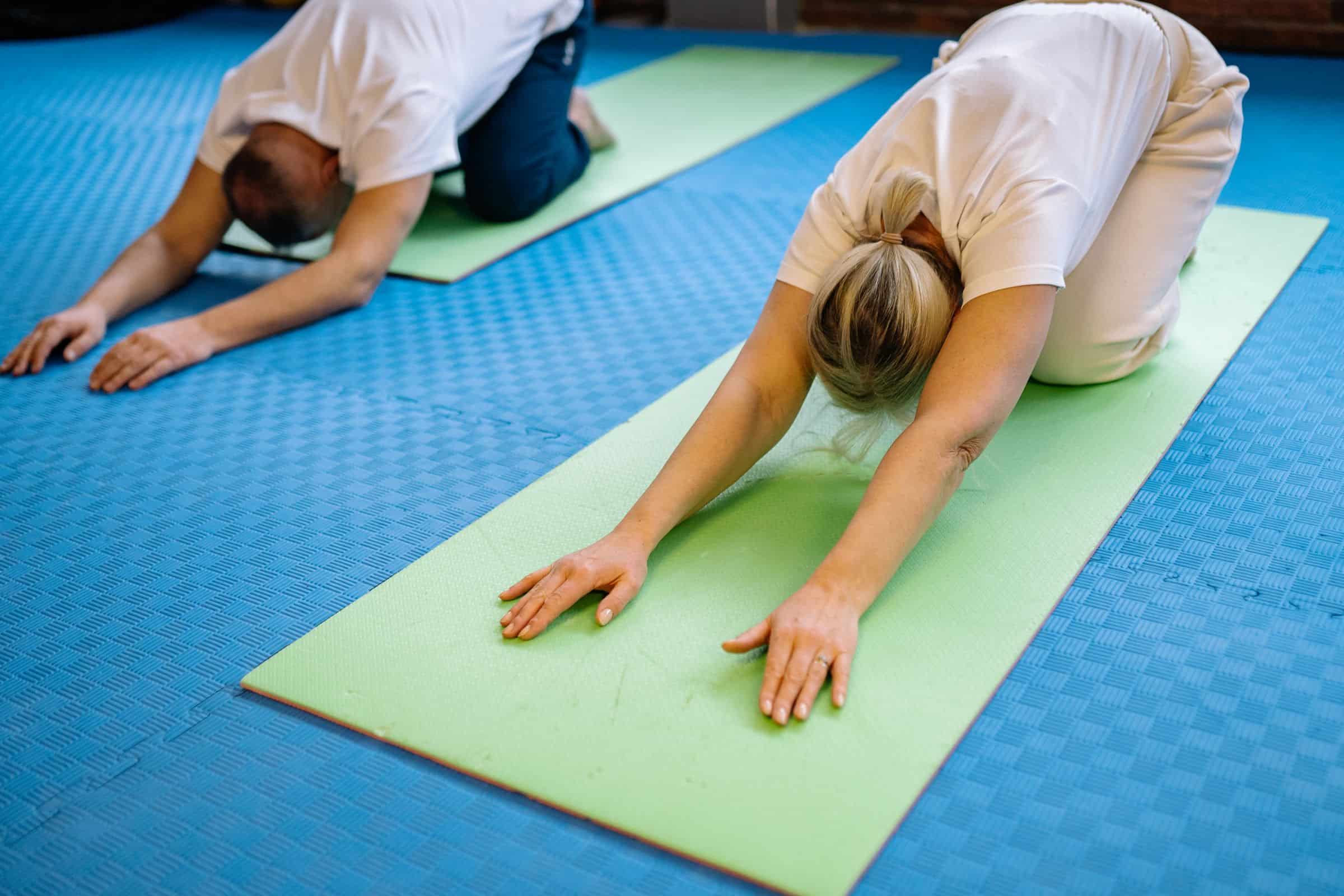
Exercises that strengthen your glutes, deep core, and hips do the most for lasting SI joint pain relief. These muscles act like a natural brace that holds the joint steady under load.
According to Cedars Sinai, treatment for sacroiliac joint dysfunction is usually conservative. They note that controlled, gradual physical therapy may help strengthen the muscles around the joint. That matches what we see every week in our clinic.
Gentle Exercises to Start With
These are good starting points for most people. Move slowly and stop any exercise that sharpens your pain.
- Glute bridge: lie on your back and lift your hips while squeezing your glutes.
- Clamshell: lie on your side and open your top knee while keeping your feet together.
- Dead bug: lie on your back and slowly lower opposite arm and leg while bracing your core.
- Bird dog: on hands and knees, reach one arm and the opposite leg while keeping your back still.
- Adductor squeeze: squeeze a ball or pillow between your knees for 5 to 10 seconds.
Exercises to Add as You Improve
Once the basics feel easy, we add load and challenge. This step prepares the joint for lifting, running, and sport.
- Single leg bridges
- Side planks with a top leg lift
- Suitcase carries with a light weight
- Step ups and controlled split squats
- Hip hinges and deadlift patterns with light loads
Exercises to Pause for Now
Some movements tend to flare up an angry SI joint. You likely do not need to avoid them forever, but it helps to pause or modify them early on.
- Deep lunges and heavy split squats
- Aggressive twisting stretches
- Single leg jumping and bounding
- Heavy loaded carries on one side
- Long runs on cambered roads or trails
How Long Does SI Joint Pain Take to Go Away?
Mild SI joint pain often settles in two to six weeks with the right changes and exercise. Pain that has lasted for months can take eight to twelve weeks of steady rehab to fully resolve.
| Stage | Typical Timeline | Main Focus |
|---|---|---|
| Calm the joint | First one to two weeks | Pain relief, position changes, gentle movement |
| Build stability | Weeks two to six | Glute, core, and hip strength |
| Return to full activity | Weeks six to twelve | Heavier lifting, running, and sport specific work |
What Slows Recovery Down
- Pushing through sharp pain during workouts
- Complete rest, which weakens the support muscles
- Long hours of sitting without breaks
- Relying only on adjustments without building strength
- Poor sleep and high stress
When Should You See a Physical Therapist for SI Joint Pain?
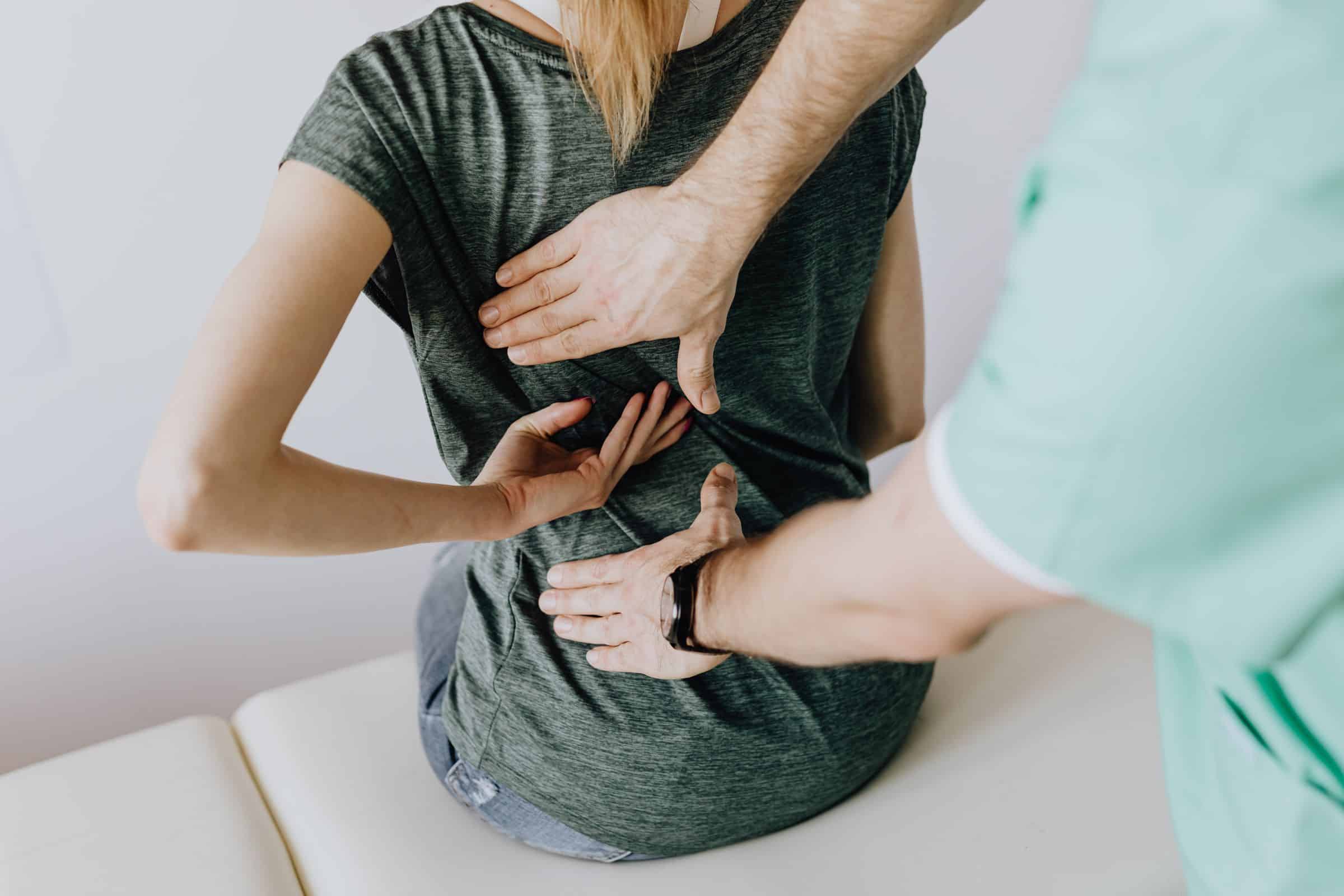
See a physical therapist if your pain lasts more than two weeks, keeps coming back, or limits your training. A professional exam also confirms the SI joint is the true source.
Our low back pain relief therapy combines hands on treatment, movement retraining, and strength work. We also look at your hips, feet, and lifting or running form, since problems there often drive SI joint stress.
Treatments That May Be Part of Your Plan
- Joint mobilization and manipulation for a stiff joint
- Soft tissue work and dry needling for tight surrounding muscles
- Stability training for a joint with too much motion
- Lifting and running technique coaching
- A clear home program you can do in 15 minutes
Signs You Need Medical Care Right Away
Some symptoms need a doctor before rehab. Get checked promptly if you notice any of these:
- Fever or feeling unwell along with back or pelvic pain
- New trouble controlling your bladder or bowels
- Numbness in the groin or inner thighs
- Pain after a serious fall or accident
- Pain that wakes you up at night and never eases with position changes
Frequently Asked Questions
What sleeping position helps SI joint pain?
Many people sleep most comfortably on their side with a pillow between the knees and ankles. If you sleep on your back, a pillow under your knees can take pressure off the joint.
Is walking good for SI joint pain?
Short, easy walks on flat ground usually help because they keep the joint moving and the muscles active. Long walks, steep hills, or uneven trails may flare symptoms early on.
Can SI joint pain cause pain down the leg?
Yes, SI joint pain can spread into the buttock, groin, and back of the thigh. Pain below the knee with numbness or tingling is more likely to come from a nerve.
Should I keep lifting with SI joint pain?
Most lifters can keep training with smart changes, like using two leg movements, lighter loads, and avoiding deep lunges for a while. We help you adjust your program so you stay strong while the joint calms down.
Can a chiropractor or adjustment fix SI joint pain?
An adjustment or mobilization can ease pain for a short time, especially for a stiff joint. Lasting relief usually needs strength and stability work so the problem does not keep returning.
Does SI joint pain ever go away for good?
For most active adults, yes. Once the muscles around your pelvis get strong and you keep up a simple routine, flare ups become rare and easier to manage.
How We Help You Find Lasting SI Joint Pain Relief
SI joint pain can make you second guess every lift, run, and long car ride. We help you find the cause and fix it so you can move without that nagging ache.
One on One Care That Gets to the Root Cause
Every visit at RecoverRx is one on one with a Doctor of Physical Therapy. We take the time to figure out whether your joint has too much motion or too little, and what keeps irritating it.
That answer shapes everything we do. Your plan targets the real problem, not just the spot that hurts.
Rehab That Keeps You Training
We work with runners, lifters, CrossFit athletes, and busy active adults every day. Our goal is to keep you moving while you heal, not to sideline you.
We adjust your workouts, coach your form, and build strength step by step. You leave each visit knowing exactly what to do next.
Support for Hypermobile Athletes
SI joint pain is common in people with hypermobility. Our team has deep experience with hypermobility and Ehlers Danlos syndrome, so your care fits your body and your goals.
Request an Appointment
If you are ready for real SI joint pain relief, we are here to help you move with confidence again. Start with a free 15 minute discovery call with our team to talk through your pain and your goals.
We see patients in Oakbrook Terrace, Westmont, and Naperville. Call us at (331) 253 2426 or Request an Appointment today.