
Pelvic Pain
Are you ready to break the cycle of chronic pelvic pain for good & start living pain-free!
Heal the Underlying Drivers of Pelvic Pain So You Can Get Back to the Activities You Love.
- Lift, exercise, and stay active without constant pain or fear of flare-ups
- Move through daily life without bracing, guarding, or protecting painful areas
- Feel strong, supported, and back in control of your body again

“The doctors at this location are miracle workers. My husband and I both had the privilege of seeing Dr Megan and she is absolutely fantastic. Her knowledge and expertise helped me beyond just sciatic and lower back pain but also for pelvic floor strengthening. She is very kind and funny and always makes me feel comfortable in the patient room. She is also very patient and encouraging when working with me on exercises and stretches in the work out area. I am happy to travel more than 30 minutes to receive therapy here. Thank you Dr. Megan!”
-Jennifer
Dealing with pelvic pain that just won’t seem to resolve on its own? Having trouble building strength without triggering flare-ups or setbacks? Noticing persistent aches, instability, or discomfort during daily activities or exercise?
Does this sound like you?
- Having ongoing pain after months or years after an injury?
- Experiencing sharp pain in your lower back or pelvis?
- Numbness or tingling in the glute, hamstring, or calf?
- Avoiding specific movements due to pain or discomfort?
Typical Conditions we Treat:
- Tailbone pain
- SI joint issues
- Discomfort during sexual intercourse
- Lower back pain
- Sciatica
- Pelvic pain
- Pain with bowel movements
- Pain in pregnancy
- Abdominal pain
- Pubic symphysis dysfunction
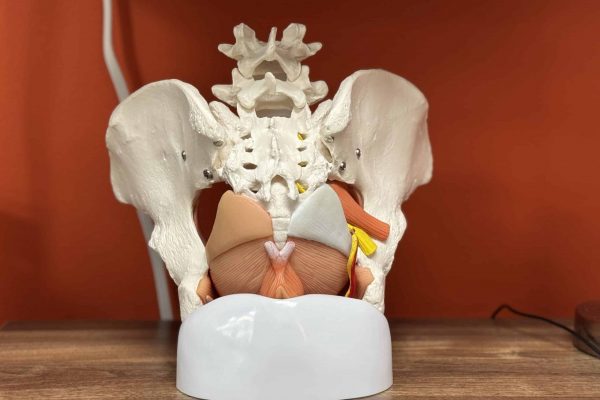
We are here to help you find long term solutions! It doesn't matter your age, and it's never too late!
*Pelvic Health Services are only offered at our Oakbrook Terrace location*
RecoverRx Performance Physical Therapy Approach
- We’ll take you through a comprehensive external assessment of your mobility, strength, and functional movement patterns. This will allow us to identify underlying issues and come up with a treatment plan to get you back to full speed and strength. (No doctor’s order necessary).
- We offer an individualized treatment program tailored to your specific needs. Our quality 1-on-1 care and attention will provide you with manual techniques to improve tissue mobility and decrease pain, and education on strategies to coordinate healthy bladder, bowel, and pelvic habits with your daily activities.
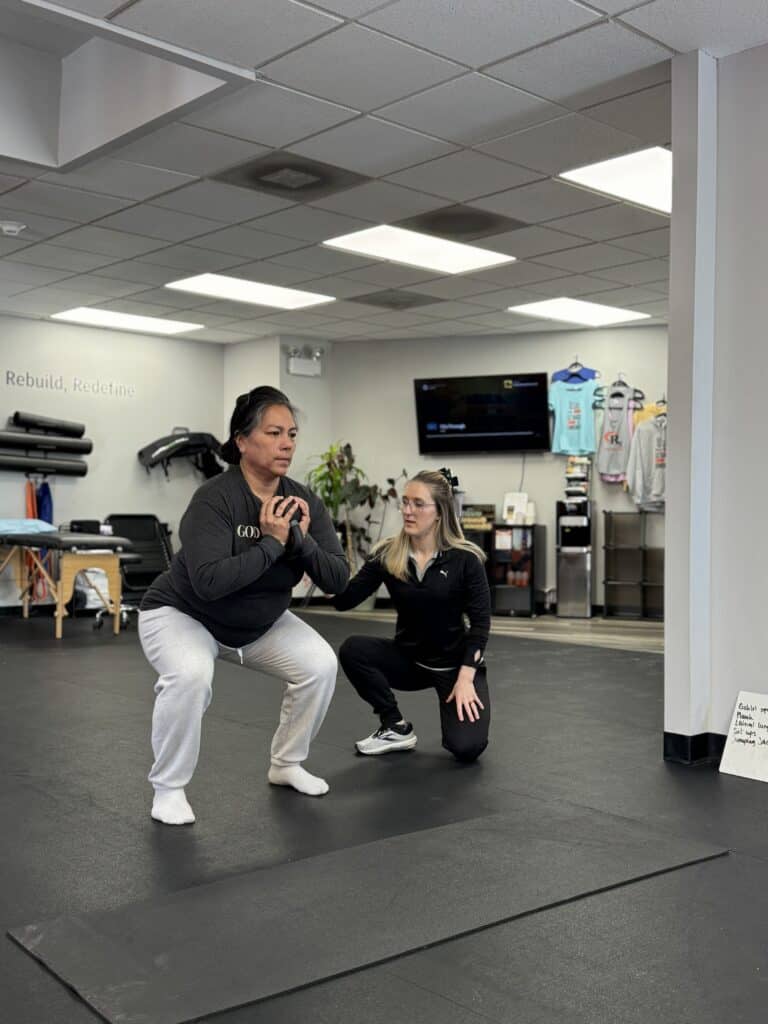
- With an activity specific strength training program, we’ll get you back on track to return to the activities and sports you love. And we will advance your strength, mobility and performance training so you can really own it and feel confident in doing what you want to do. All while teaching you how to prevent that issue from happening again.
Pelvic Specific Treatments
- Correct lumbar and pelvic posture
- Directional specific exercises to decrease abdominal and pelvic pressure
- Improve low back, hip, and pelvic joint mobility through manipulation, manual joint mobilizations, and manual traction
- Improve coordination and flexibility of the pelvic floor muscles
- Improve proper engagement of the deep abdominal and lumbopelvic stabilizer muscle groups
- Improve tissue mobility through massage and instrument assisted mobilization
- Decrease nerve sensitivity (numbness, and/or tingling down the leg) through specific nerve exercises
- Progress plyometric and functional activities (running, jumping, squatting, bending, lifting)
- Break the cycle of inflammation with shockwave therapy
Important Things To Understand
- Tissues Heal. The body is designed to repair itself, but sometimes our system gets stuck in the inflammatory phase of tissue repair and needs a little help to move onto the recovery phase
- The true source of pain is often poorly correlated with x-ray and MRI imaging results. It is possible to have tissue damage on imaging that causes no pain or functional limitations. And it is possible to have pain with no visible findings on imaging – usually a result of nervous tissue over sensitivity.
- Soreness after exercise is not the goal, but it is also not always a sign of concern. True strength gains require an overload to the system which causes micro-damage. As that tissue recovers, it does so thicker and stronger than before. Soreness should be used as a way to monitor if the tissue is ready to take on more load, should stay at the current level, or should back down training intensity until the tissue is more prepared.
- Return to previous/desired activities is almost always possible through good education, proper mechanics, and progressive tissue loading.
Get Started Today!
Want To Get Relief Faster?
Choose which option works best for you
