If you keep wondering, does shockwave therapy work for active adults and athletes who want to stay in the game, not sit on the sidelines for months, you are not alone.
Many people hear about it from teammates, training partners, or a provider and feel unsure whether it is worth the time.
You might be dealing with the same pain that shows up every time you run, lift heavy, or push your pace. You rest, it calms down, you ramp back up, and it returns right on schedule.
Shockwave therapy sounds promising because it aims to help your body heal instead of just numbing pain. At the same time, it can be hard to tell what is real and what is just hype.
This article walks through what shockwave therapy actually is and how it works in your tissues.
It also explains how it fits into a full rehab and performance plan instead of being treated like a quick fix.
The goal is to help you understand when shockwave therapy makes sense, when it does not, and how it can support your training.
By the end, you can make a clear, informed decision about whether it belongs in your recovery strategy.
Does Shockwave Therapy Work? Understanding The Basics
What Is Shockwave Therapy?
Shockwave therapy is a noninvasive treatment that uses high energy sound waves to target painful or injured tissue. Those waves are felt at the skin, but the focus is on creating change deeper in the tendon, muscle, or fascia.
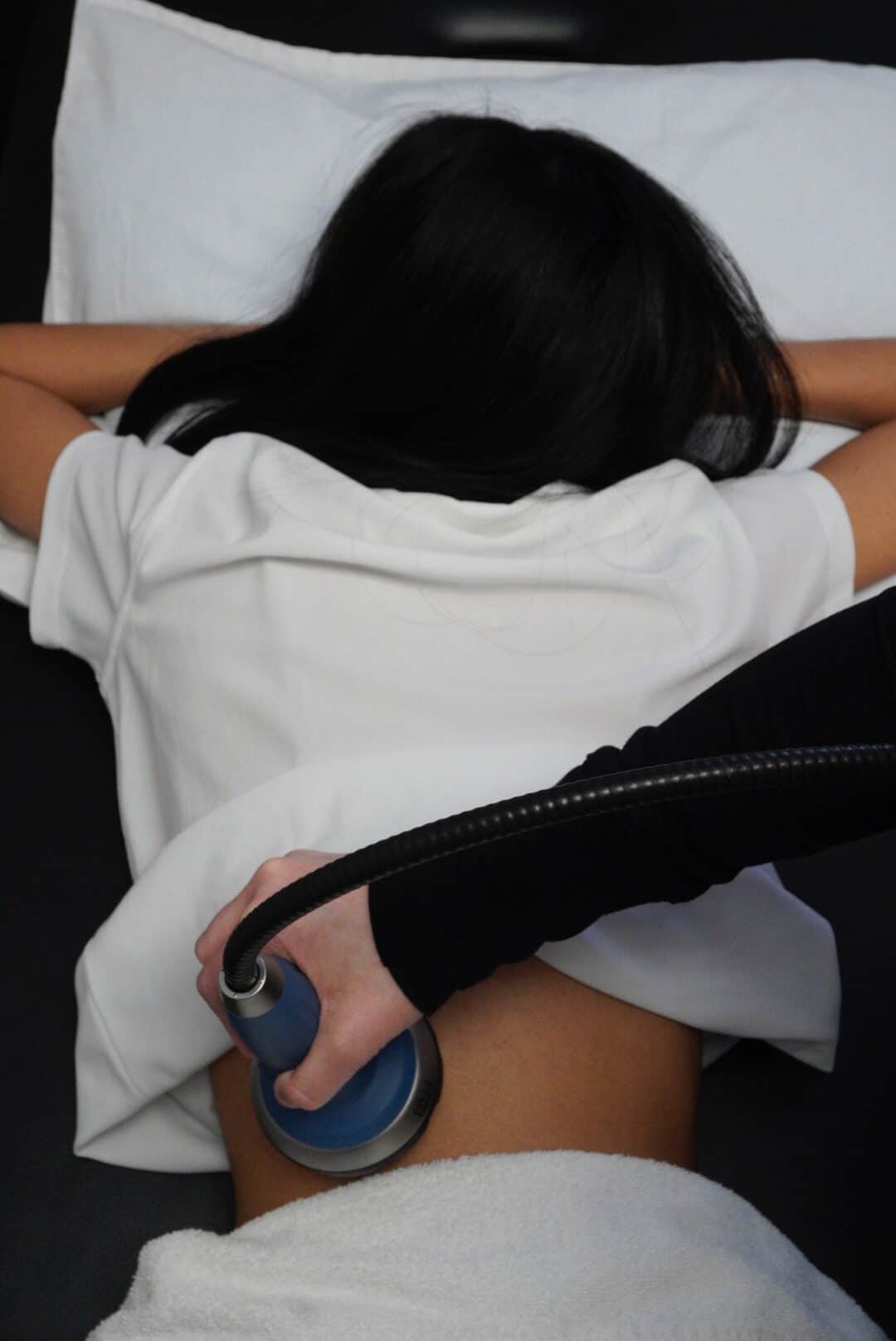
In a sports rehab setting, a therapist uses a handheld device that connects to a machine. The device delivers a series of rapid pulses to a specific area, usually for several minutes at a time.
You might hear people call it ESWT, which stands for extracorporeal shock wave therapy. The word extracorporeal simply means the waves come from outside your body.
There are two main types you might hear about:
- Radial shockwave, which covers a broader area and is common in many outpatient clinics.
- Focused shockwave, which targets tissue a bit deeper and more precisely.
Most active adults and athletes do not need to worry about the technical label.
What matters is that the provider uses the right intensity, location, and volume for your specific injury.
How Shockwave Therapy Works In Your Body
The whole point of shockwave therapy is to help your body restart and speed up its own healing process. This treatment does not magically erase pain.
Here is what happens at a basic level:
- Blood flow increases, which brings in oxygen and nutrients for tissue repair.
- Controlled microtrauma stimulates a fresh healing response in tissue that feels stuck in a chronic state.
- Collagen production improves, and your body starts to lay down stronger, healthier tissue in damaged tendons.
- Stiff, disorganized scar tissue or small calcifications can begin to break up, which helps restore motion.
- Pain signals can change, and local nerve endings become less irritated, so your brain does not receive such intense pain messages.
If you like to train hard, think of shockwave therapy as a tool that helps unlock stubborn tissue so progress from loading and strengthening becomes easier. It sets the table so you can actually tolerate the rehab that builds durable strength.
Common Sports Injuries Shockwave Therapy Is Used For
Shockwave therapy shows up most often with nagging, overuse, or tendon related problems.
These are the injuries that ignore basic rest and come back every time you increase intensity.
Typical issues where shockwave therapy often helps include:
- Plantar fasciitis, which feels like sharp heel pain when you get out of bed or after a run.
- Achilles tendinopathy, which causes stiffness or aching in the Achilles with sprints, hills, or jumping.
- Patellar tendinopathy, also called jumper knee, which creates front of knee pain with jumping, squatting, or heavy lifting.
- Tennis elbow or golfer elbow, which shows up as pain on the outside or inside of the elbow with gripping, lifting, or swinging.
- Gluteal and hip tendinopathy, which can cause lateral hip pain with running, standing, or lying on your side.
- Rotator cuff and shoulder tendinopathy, which leads to shoulder pain with overhead work, throwing, or pressing.
If you recognize one of these patterns, you know how stubborn they can feel. Shockwave therapy gives another option when a simple suggestion to stop doing your sport is not realistic.

What The Research Suggests About Shockwave Therapy
A lot of marketing around recovery tools feels loud and empty, so it helps to look at general trends from research. Overall, shockwave therapy shows the most promise for chronic tendon and soft tissue conditions, especially in active people.
Studies often report:
- Decreases in pain over several weeks to months.
- Improved function, such as easier walking, running, or lifting.
- Best results when the treatment is combined with a structured loading and rehab program.
Conditions with stronger evidence include:
- Plantar fasciitis
- Achilles tendinopathy
- Patellar tendinopathy
- Tennis elbow
That does not mean it works for every single person or every problem. Results vary based on factors such as:
- How long the injury has been present.
- How severe the tissue changes are.
- Overall training load, strength, and movement quality.
- Whether a solid rehab and strength plan is followed at the same time.
If you expect one or two sessions to erase years of overload, disappointment is very likely. When shockwave therapy is used as a piece of a bigger plan, the odds of success improve.
Who Is And Is Not A Good Candidate For Shockwave Therapy
Shockwave therapy fits best when you fall in that gray zone between mild ache and severe damage. You might feel worn down by chronic pain, but you still care a lot about training, competing, or staying active.
You may be a good candidate if:
- You have had tendon or soft tissue pain for at least a few months.
- Basic rest, ice, or random home exercises have not solved the problem.
- Pain flares every time you push running, lifting, or practice volume.
- Imaging or exam suggests a chronic tendon or soft tissue issue, not a fresh tear or major structural damage.
You may need to avoid or delay shockwave therapy if:
- There is a fresh fracture in the treatment area.
- There is an open wound or active infection in that region.
- You have certain blood clotting disorders or take specific blood thinners.
- You have a pacemaker or other implanted device near the treatment zone.
A proper assessment matters more than any device. It is important that someone looks at your whole movement system, not just the sore spot, before deciding whether shockwave therapy fits.
What To Expect From Shockwave Therapy As An Athlete
What A Typical Shockwave Therapy Session Looks Like
If you picture a huge machine and a stressful medical setup, it helps to know the process is usually simple and efficient. Sessions are often short and focused.
A typical visit might look like this:
- Brief check in to talk about pain, training, and changes since the last session.
- Movement or palpation exam to find the exact area that needs work and to recheck range of motion or strength.
- Application of gel to the skin to help the shockwaves travel.
- Treatment with a handheld device that delivers pulses to the target area for several minutes.
- Ongoing adjustments to intensity based on comfort and response.
- Wrap up with guidance on activity, exercises, and what to expect before the next visit.
Most sessions last around 15 to 20 minutes for the shockwave portion, often within a longer appointment that also includes exercise or movement work. There is no anesthesia required and no surgical style downtime.
Does Shockwave Therapy Hurt?
The honest answer is that you usually feel it, but it should not feel unbearable. Many athletes describe it as an intense tapping, pressure, or deep vibration in a very focused area.
Pain levels vary based on:
- How sensitive the tissue is.
- The intensity setting used.
- The exact location and depth of the injury.
In most cases, you and your provider find a level that feels uncomfortable but manageable. You stay in control, and the intensity can be adjusted at any time.
After a session, it is common to notice:
- Mild soreness or achiness in the area for a short period.
- A sense of looseness or lightness around the joint or tendon.
- Occasionally, a temporary flare followed by gradual easing of symptoms.
Most athletes can handle normal daily activities immediately after treatment. Training may need small changes for a short period so that the tissue can adapt and recover.
If there is curiosity about whether shockwave therapy belongs in your recovery or performance plan, guessing does not help.
During that call, a therapist helps you understand if shockwave therapy makes sense for your situation, or if another approach might fit better. The focus stays on clear, honest guidance, so decisions feel informed and confident, not pressured.
You deserve a plan that matches how hard you train and how much you care about staying active.
RecoverRx Physical Therapy offers a free 15 minute discovery call with our team so you can talk through your injury, your sport, and your goals. To get started, call 331 253 2426 and schedule your free call.
Recovery Time And Return To Training
If you are used to being sidelined for weeks, shockwave therapy often feels more flexible. Many athletes keep some version of their training going while they receive treatment.
Typical guidelines include:
- Avoid heavy or explosive loading of the treated area for 24 to 48 hours after a session.
- Use light movement, such as walking, easy cycling, or gentle drills, to keep blood flow up.
- Gradually reintroduce higher loads as pain and function improve.
Together with a provider, you may adjust:
- Weekly mileage or overall volume.
- Number of heavy lifting days.
- Plyometric or high intensity change of direction work.
The key is to respect the healing process while still providing the body with the right dose of strength and skill work. Shockwave therapy should support your return to sport, not create fear of movement.
Shockwave Therapy Compared To Rest, Injections, And Surgery
When pain lingers, you usually see a familiar menu of options. Each path has benefits and drawbacks.
Rest only approaches:
- Benefit, simple and free.
- Drawback, pain often returns as soon as load increases again, because the root cause never changes.
Injections, such as cortisone:
- Benefit, pain may decrease quickly, especially when irritation is high.
- Drawback, underlying tissue quality and loading patterns often stay the same, and some injections can weaken tissue if overused.
Surgery:
- Benefit, sometimes necessary for major structural issues that do not respond to conservative care.
- Drawback, higher risk, more downtime, and a long rehab process.
Shockwave therapy sits between very passive care and invasive options. It offers a way to stimulate healing and reduce pain while you stay active and work on strength, mobility, and mechanics.
It does not replace smart training or rehab, but it can help someone avoid jumping too quickly to more aggressive procedures.

Why Shockwave Therapy Alone Is Not Enough
It is tempting to chase the single tool that finally fixes everything. If you train hard and juggle real life responsibilities, you naturally want the fastest path back to full activity.
The problem is that most sports related injuries come from a mix of factors, such as:
- Tissue capacity that does not match your training load.
- Weakness in key muscle groups.
- Limited joint mobility in areas such as the ankle, hip, or spine.
- Technique or form issues in running, jumping, or lifting.
- Sleep, stress, and recovery habits that do not support healing.
Shockwave therapy helps change the local tissue environment, but it cannot:
- Strengthen your calves, quads, or glutes.
- Fix landing mechanics during cutting, jumping, or decelerating.
- Improve hip or ankle mobility by itself.
- Plan and progress weekly training loads.
To truly break the cycle of repeated injury, a plan must use shockwave therapy as one tool among many. That plan should lean heavily on smart loading, targeted strength work, and movement coaching.
How A Movement Based Approach Makes Shockwave Therapy More Effective
Connecting Symptoms To The Root Cause
Pain often shows up in one place, but the real problem might start somewhere else. If the focus stays only on the sore spot, important parts of the story can be missed.
Common examples include:
- Achilles pain that traces back to weak calves, stiff ankles, and poor control of the foot during landing.
- Knee pain that links to hip instability, limited hip rotation, or collapsing arches.
- Shoulder pain that connects to a stiff upper back, weak scapular muscles, or poor overhead control.
A movement based assessment looks at:
- How you squat, lunge, step, jump, and land.
- How you run or walk, including stride and alignment.
- How joints move through basic ranges in weight bearing and non weight bearing positions.
When that information is matched with what the tissue looks and feels like, shockwave therapy turns into a targeted strategy instead of a random gadget.
The irritated spot receives treatment while the patterns that overloaded it in the first place also get addressed.
Building A Stronger, More Resilient Athlete
The real win is not just less pain. The real win is feeling confident to push, compete, or chase goals without always waiting for a flare.
Shockwave therapy supports that goal by:
- Reducing pain enough so the right exercises can be handled.
- Calming chronic irritation so tissue can accept more load.
- Shortening the time it takes to feel progress from a well designed strength program.
From there, long term progress comes from consistent work, such as:
- Progressive strength training that loads the tendon or muscle in a structured way.
- Plyometric and power drills when appropriate for the sport.
- Sport specific movement work that matches exact demands, like cutting, sprinting, climbing, or lifting.
As tissue capacity rises, the threshold for pain usually rises with it. Many people feel more resilient, not fragile, because their body can now handle the same loads that used to break it down.
Personalized One On One Care Versus Generic Clinic Protocols
If you have bounced through busy clinics before, you know how frustrating generic rehab can feel. You might do the same three exercises from a printed sheet while the provider splits time between several people at once.
That approach often ignores:
- The specific demands of your sport and position.
- Your training schedule and competition calendar.
- Your unique movement patterns, history, and goals.
Shockwave therapy gives the best results when it is part of a plan that is built around you, not a template. Personalized care should include:
- One on one attention during the assessment and follow up visits.
- Exercises that match your current strength, mobility, and schedule.
- Clear guidance about how to adjust training while healing takes place.
When someone actually watches you move, listens to your goals, and tailors the plan, shockwave therapy becomes a useful tool in a bigger strategy. That is how short term symptom relief turns into long term performance and confidence.
Making Shockwave Therapy Work For Your Recovery
Is Shockwave Therapy Right For You As An Active Adult Or Athlete?
By this point, it is clear that shockwave therapy is not magic, but it can be a powerful tool for stubborn sport related pain. It works best when you want to stay active, fix the root cause, and build real, long term strength.
If your pain keeps showing up every time you increase mileage, add weight, or sharpen your speed, shockwave therapy may deserve a closer look.
When you pair it with smart loading, quality movement, and a clear plan, it can help break the cycle of rest, flare, and repeat.
How RecoverRx Physical Therapy Supports Active Adults And Athletes
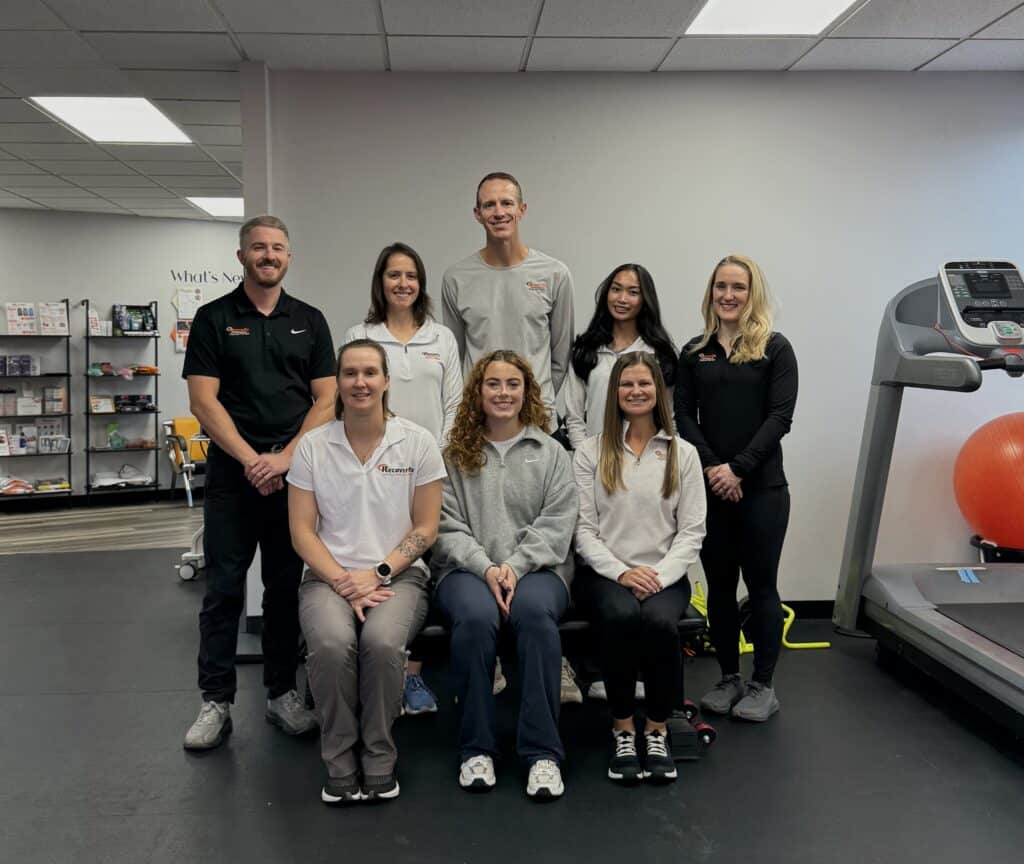
RecoverRx Physical Therapy focuses on one to one, movement based care for active adults and athletes.
The team works closely with people in Oakbrook Terrace, Westmont, Naperville, and nearby Chicago western suburbs who want more than a quick temporary fix.
Shockwave therapy is used as part of a personalized plan that can include:
- Detailed movement and strength assessment.
- Targeted shockwave sessions for stubborn tendons or soft tissue.
- Progressive strength and loading programs that fit your sport and schedule.
- Guidance on how to adjust training without losing your identity as an athlete.
The goal is simple, to help you feel confident in your body again, so training, competition, and everyday movement feel possible without constant worry about setbacks.
Ready To See If Shockwave Therapy Fits Your Plan?
If there is curiosity about whether shockwave therapy belongs in your recovery or performance plan, guessing does not help.
During that call, a therapist helps you understand if shockwave therapy makes sense for your situation, or if another approach might fit better. The focus stays on clear, honest guidance, so decisions feel informed and confident, not pressured.
You deserve a plan that matches how hard you train and how much you care about staying active.
RecoverRx Physical Therapy offers a free 15 minute discovery call with our team so you can talk through your injury, your sport, and your goals. To get started, call 331 253 2426 and schedule your free call.