If you wake up, put your feet on the floor, and feel that sharp stab in your heel, you are not alone. Plantar fasciitis can turn every run, lift, or practice into something you have to push through instead of something you enjoy, and that gets frustrating fast. Shockwave therapy for plantar fasciitis gives you another option that focuses on helping the tissue heal and handle load, not just masking pain.
As an active adult or athlete, you care about getting back to training, not just being told to rest and wait. In this blog, we walk through what plantar fasciitis actually is, how shockwave therapy fits into a smart rehab plan, and how it can support a safe and confident return to the activities you love.
Understanding Plantar Fasciitis In Active Adults And Athletes
Plantar fasciitis affects the thick band of tissue that runs from your heel to your toes and supports your arch. When that tissue takes on more stress than it can handle, it becomes irritated and your heel starts to feel sharp, tight, or hot with every step.
You might feel:
- Sharp pain with your first steps in the morning
- A deep ache in the heel after standing for long periods
- Pain that shows up during runs, jumps, or heavy lifts and lingers after you stop
For an athlete or active adult, that pain does not just live in your foot. It changes how you walk, how you run, and how you load your whole leg, which can start to affect your knees, hips, and back over time.
Why Active Adults And Athletes Are At Higher Risk
You ask a lot of your feet when you run, cut, jump, or lift heavy several times a week. Plantar fasciitis often shows up when that workload spikes or your recovery drops.
Common contributors include:
- Sudden jumps in mileage, speed work, or hill training
- Back to back games, tournaments, or long training days
- New shoes that change your support or stack height
- Harder training surfaces like indoor courts or concrete
- Limited ankle or big toe mobility that forces your plantar fascia to pick up the slack
- Weakness in your calves, feet, or hips that shifts stress to the heel
On top of that, many active people push through discomfort to keep training. That mindset helps in competition, but with plantar fasciitis it can keep the tissue irritated and slow true healing.
Traditional Treatments: What Helps And What Falls Short
Many athletes try several standard fixes before considering something like shockwave therapy. Some options provide relief, but many do not fully support the way you move or train.
Common options include:
- Rest and time off from running or sport
- Ice, massage tools, or rolling your foot on a ball
- Stretching your calves and plantar fascia
- Over the counter inserts or custom orthotics
- Night splints to keep the foot in a stretched position
- Cortisone injections for short term pain reduction
- Generic physical therapy sessions with basic exercises
These approaches can calm things down for a while and sometimes feel good in the moment. The problem is that they rarely change how your foot handles load when you return to running, lifting, or cutting at full speed.
If the plan never looks at your strength, mobility, and training structure, the pain often returns once you ramp back up. That is where a different approach, like combining shockwave therapy with movement based rehab, can make a clear difference for active people.

Shockwave Therapy For Plantar Fasciitis: How It Works And Why It Matters
Shockwave therapy uses high energy sound waves that target the painful area in your heel and arch. A small handheld device delivers controlled pulses through your skin into the plantar fascia.
Sessions usually last only a few minutes for the treatment itself. You stay awake, stay dressed, and can communicate the whole time so intensity stays within a tolerable range.
How Shockwave Therapy Helps Heel And Foot Pain
When those sound waves reach the irritated tissue, they create a focused mechanical stimulus. Your body responds by increasing blood flow, raising cell activity, and starting a more productive healing response.
Key effects include:
- Stimulated blood supply to an area that often does not get much circulation
- A reset in pain signaling from the heel to the nervous system
- Breakdown of disorganized or stiff tissue that builds up with chronic irritation
- Support for collagen remodeling so the fascia becomes stronger and more tolerant
Research on shockwave therapy for plantar fasciitis shows meaningful pain reduction and improved function for many people. For athletes, the real value comes when that pain decrease allows smarter training and better movement while the tissue restores capacity.
Benefits For Active Adults And Athletes
As an active person, you care about more than walking around the house without pain. The goal is to run, lift, cut, and compete with confidence.
Shockwave therapy can help you:
- Reduce pain so strength and mobility work feel more manageable
- Shorten flare ups that would otherwise drag on for months
- Address stubborn, chronic cases that have not responded to basic care
- Stay more engaged in training instead of being shut down completely
Think of it as a tool that helps you access better movement. When heel pain eases, you can load the calf, foot, and hip in a way that builds resilience instead of avoiding every step.
What To Expect During And After Treatment
Before any treatment begins, a clinician should confirm that your pain truly comes from plantar fasciitis and not another heel condition. Once that is clear, the session itself feels straightforward and predictable.
A typical session may look like this:
- Discussion of where your pain lives and how it shows up with training
- Location of the most tender spots in your heel and arch
- Gel applied to your skin to help transmit the sound waves
- Delivery of short pulses while you give feedback on intensity
You feel a series of quick taps or pulses in the area, sometimes intense but adjustable. The sensation should stay within a range you can tolerate, and communication with the clinician helps fine tune this.
After treatment, you might notice:
- Mild soreness in the heel for a few hours
- A lighter or looser feeling in the foot
- A gradual shift in pain over several sessions rather than a single dramatic change
Most people can walk out and return to normal daily activity. High impact training may need a short adjustment period so the tissue can respond and adapt in a healthy way.
Who Is A Good Candidate For Shockwave Therapy
Shockwave therapy works best when it matches the right person at the right time. It is not a magic fix, but it can be a strong part of a well planned strategy.
You may be a good candidate if you:
- Have heel pain that matches classic plantar fasciitis patterns
- Feel pain for several weeks or months, especially with running or time on your feet
- Have tried rest, stretching, or basic treatment without lasting progress
- Want to stay active and are willing to follow a structured rehab plan
Why Shockwave Alone Is Not Enough
Shockwave can calm symptoms and jumpstart healing, but it does not automatically change how you move. If you go right back to the same loading patterns, shoes, and training structure, the tissue often becomes overwhelmed again.
Plantar fasciitis usually reflects a capacity problem. The plantar fascia cannot keep up with the force, volume, or mechanics you place on it over time.
To create real change, a complete plan needs to:
- Build strength in the muscles that share the load
- Improve mobility where stiffness blocks normal motion
- Adjust training so the tissue gets challenged but not crushed
Shockwave therapy makes this process more comfortable and effective by reducing pain as you train. The work still matters, but it feels more achievable when pain no longer dominates every step or rep.
Key Strength And Mobility Work For Lasting Results
A smart plantar fasciitis program trains the entire lower chain, not just the bottom of the foot. The goal is to help every part of the leg contribute to each step or jump.
Common elements include:
- Calf strengthening
- Straight knee calf raises for the gastrocnemius muscle
- Bent knee calf raises for the soleus, which works hard in running and squatting
- Foot and arch strengthening
- Short foot or doming drills to teach the arch to support load
- Towel curls or controlled single leg balance work
- Mobility work
- Ankle dorsiflexion drills to improve how your shin moves over your foot
- Big toe mobility work to allow a smoother push off in walking and running
- Hip and trunk strength
- Glute focused work like bridges, deadlifts, and lateral movements
- Core stability training to keep mechanics efficient and repeatable
Shockwave therapy can reduce pain so these exercises feel less aggravating and more productive. Over time, that combination helps your plantar fascia not just feel better, but handle real life demands from sport and training.

Smart Load Management For Runners And Athletes
Plantar fasciitis does not always require you to stop everything. It does require a clear plan that respects the current capacity of the tissue in your heel.
For runners, this might look like:
- Shifting to a run walk pattern while pain improves
- Reducing total weekly mileage for a short period
- Moving some hard intervals to lower impact cross training
For field and court athletes, this might include:
- Limiting back to back high intensity sessions
- Reducing cutting and jumping volume while focusing on strength and mechanics
- Adding more low impact conditioning during a flare up
Pain can act as useful data rather than something to fear. Mild, manageable pain that settles quickly often means you are loading within a reasonable range, while sharp, lingering spikes suggest a need to pull back.
A thoughtful plan ramps load gradually so the foot and leg adapt step by step. That approach helps your heel feel less shocked every time you progress your training.
The Value Of One On One, Personalized Physical Therapy
Plantar fasciitis in an active adult is not a one size fits all problem. Your sport, training schedule, injury history, and goals all shape what you truly need.
In a one on one, movement based setting, care can include:
- A detailed look at how you walk, run, squat, and jump
- Testing that checks strength, mobility, and control from the foot up to the hip
- A plan that respects your current season, race calendar, or league schedule
Individualized guidance provides clear feedback on what is safe, what needs to change, and how to progress without constant guessing. That level of support builds confidence, not just short term relief.
When shockwave therapy fits into this bigger picture, it becomes one helpful piece of a performance focused strategy. The end goal is not just less heel pain, but a stronger, more resilient body that allows training and competition with trust in every step.

Moving Beyond Temporary Heel Pain Fixes
Plantar fasciitis does not have to be the thing that keeps you from running, lifting, or playing the sport you love. When you combine smart load management, targeted strength work, and tools like shockwave therapy, your heel can handle more and hurt less.
Instead of chasing only short term relief, this approach builds a foot and lower body that can stand up to real training. That shift lets you focus on your performance again, not on how painful the first few steps feel each day.
How RecoverRx Physical Therapy Supports Active Adults And Athletes
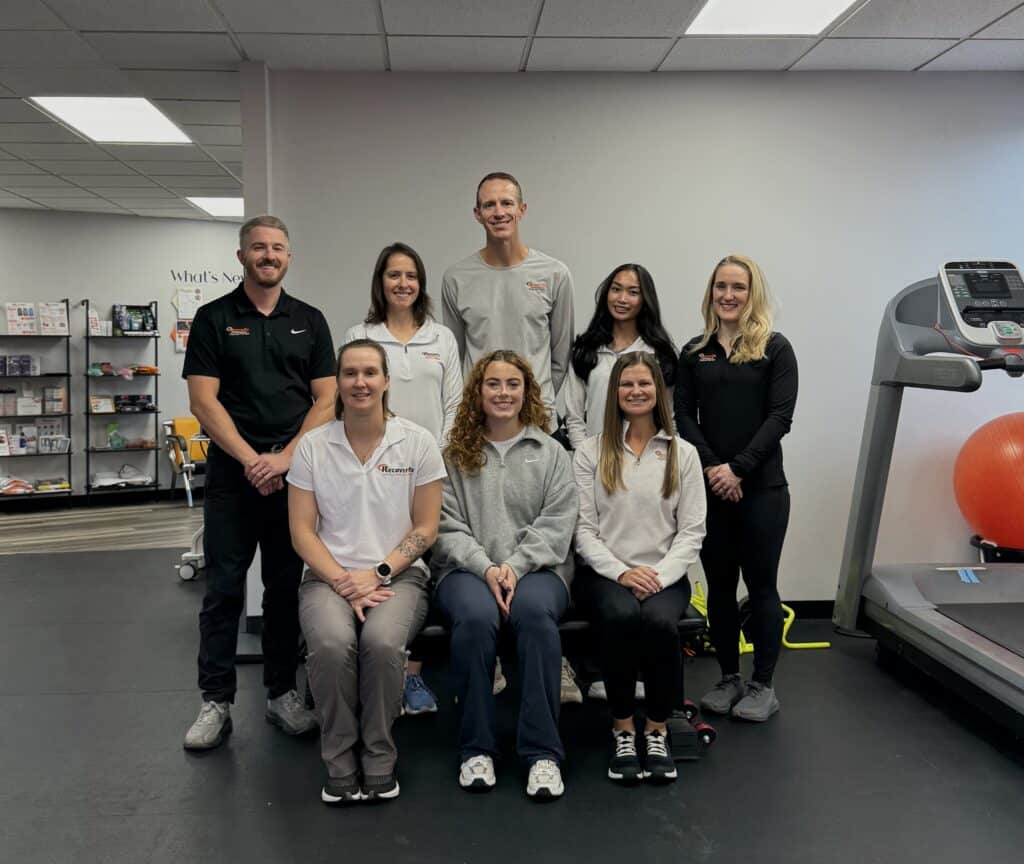
At RecoverRx Physical Therapy in the Chicago western suburbs, care centers on one on one, patient focused sessions that match your life and sport. Plans include individualized assessment, movement based rehab, and when appropriate, shockwave therapy for plantar fasciitis that supports healing and performance, not just rest.
The team looks at how you move from the foot all the way up the chain, then designs a path that respects your goals. The aim is to help you return to training with more control, strength, and confidence in your body.
Whether you train in Oakbrook Terrace, Westmont, Naperville, or nearby communities, support stays focused on functional results and movement confidence. The priority is keeping you as active as possible while your heel calms down and rebuilds strength.
Next Steps Toward More Comfortable Training
If heel pain now dictates how far or how fast you can go, a thoughtful, movement based approach can make a real difference. RecoverRx Physical Therapy offers a free 15 minute discovery call with the team so you can talk through your symptoms, training, and goals before committing to a full plan.
During that call, a clinician helps you understand whether shockwave therapy for plantar fasciitis fits your situation and how a complete rehab strategy might look. The conversation focuses on clear, honest guidance so you can choose the next step that feels right.
To schedule a discovery call or book an evaluation, call RecoverRx Physical Therapy at 331 253 2426. That first conversation can start you on a path toward stronger feet, less pain, and more confident training.